كلورامفينيكول رقم الكيميائي: 56-75-7
تأثير مضاد للبكتيريا واسع النطاق
يُظهر كلورامفينيكول تأثيرات تثبيطية قوية ضد مجموعة واسعة من الكائنات الحية الدقيقة المسببة للأمراض، مما يوفر أداءً مضادًا للميكروبات متعدد الاستخدامات وفعّال.
خصائص الذوبانية والثبات
هذا المركب يذوب بسهولة في الميثانول والإيثانول والأسيتون وأسيتات الإيثيل. يبقى مستقرًا في ظل الظروف المحايدة أو الحمضية الضعيفة، مما يدعم التصميم المرن وتحضير التركيبات الصيدلانية.
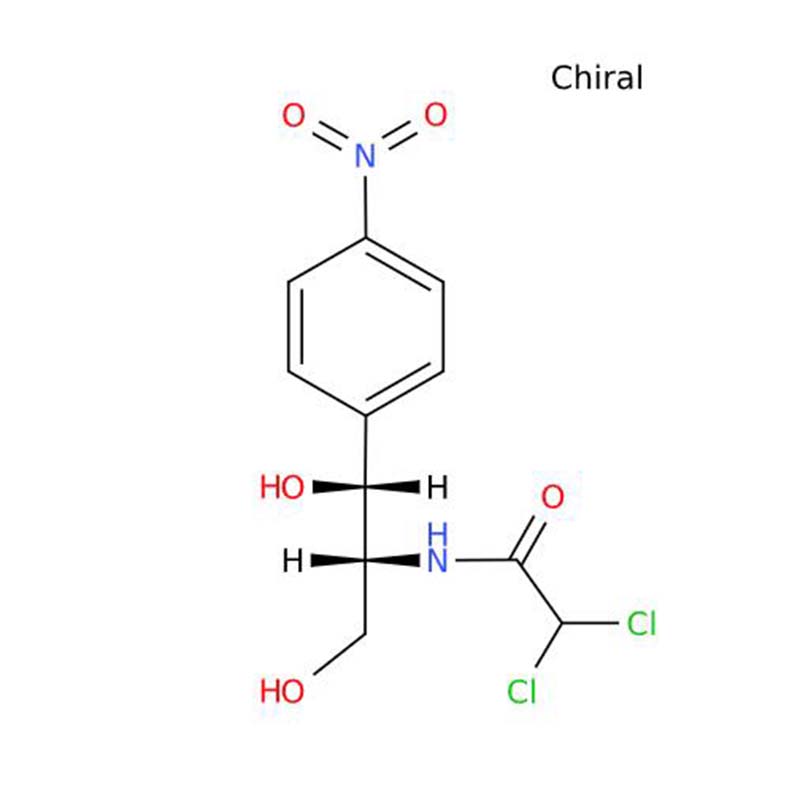
الاختلافات في النشاط البيولوجي للأيزومرات
الشكل الأيزومري الطبيعي من حمض L-يُسمى (ليفوميسيتين) ويُظهر نشاطًا مضادًا للبكتيريا أقوى. بالمقارنة، تُظهر المنتجات الاصطناعية، التي تُورَّد عادةً على شكل مخاليط راسيمية، حوالي نصف النشاط البيولوجي للنظير الطبيعي.
متطلبات التطبيق السريري والتخزين
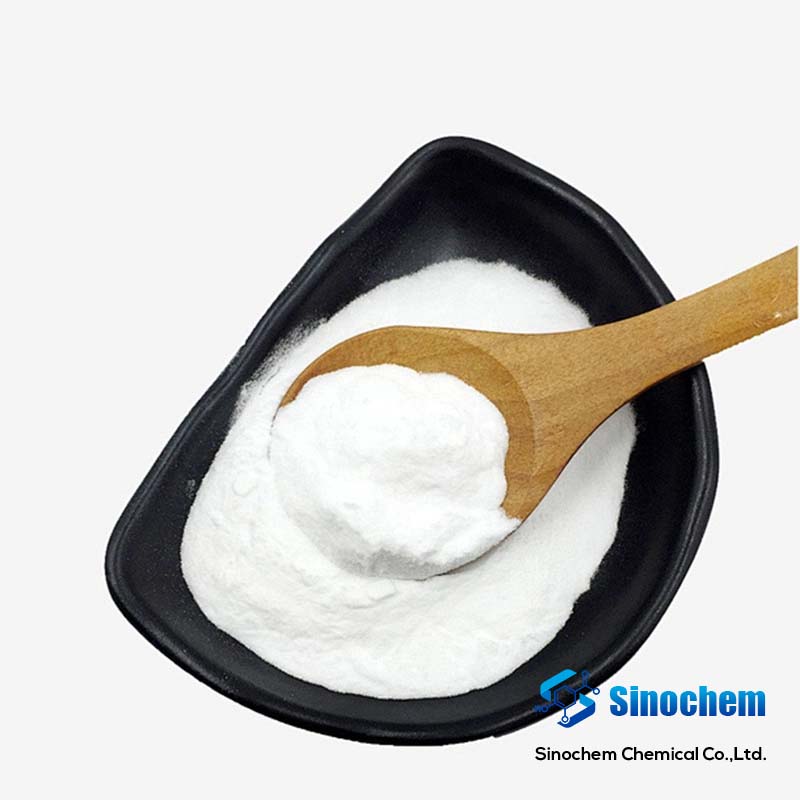
كلورامفينيكول،المعروف أيضًا باسم ليفومايسين، هو مضاد حيوي واسع الطيف يتم استخراجه من بكتيريا ستربتومايس كلورينوس. آلية عمله الرئيسية تكمن في قمع نمو البكتيريا وتكاثرها. من بين أشكاله الأيزوميرية، يكون الأيزومير الطبيعي L نشطًا بيولوجيًا، بينما يظهر الكلوورامفينيكول الاصطناعي عادةً على شكل بلورات بيضاء إلى صفراء باهتة على شكل إبر أو رقائق. هذا المركب عديم الرائحة ولكنه يتميز بطعم مرير مميز؛ يتميز بضعف ذوبانه في الماء والإيثر والكلوروفورم، لكنه يذوب بسهولة في الميثانول والإيثانول والأسيتون وأسيتات الإيثيل. ومن الجدير بالذكر أنه غير قابل للذوبان في البنزين والإيثر البترولي.
يحافظ الكلورامفينيكول على استقراره في البيئات المائية المحايدة أو الحمضية الضعيفة، لكنه يميل إلى فقدان فعاليته المضادة للبكتيريا في الظروف القلوية. يتم تصنيع كلورامفينيكول الاصطناعي كمزيج راكيمي، يتكون من كل من الأيزومر النشط بيولوجيًا L والأيزومر غير النشط D. بسبب عدم وجود النشاط المضاد للبكتيريا في الشكل D، فإن النسخة الاصطناعية تُظهر فقط 50% من فعالية الكلورامفينيكول المشتق طبيعيًا.
| عنصر | المواصفات |
|---|---|
| نقطة الانصهار | 148-150 ° ج (حرفيًا) |
| الدوران النوعي | 19.5 درجة مئوية (c=6، إيثانول) |
| نقطة الغليان | 644.9±55.0 ° ج (متوقع) |
| الكثافة | 1.6682 (تقدير تقريبي) |
| معامل الانكسار | 20 ° (سي=5، إيثانول) |
| نقطة الوميض | 14 ° ج |
| ظروف التخزين | يُحفظ في مكان مظلم مع جو خامل، 2-8 درجة مئوية. ° ج |
| الذوبانية في الإيثانول المطلق | 5-20 ملغ/مل للمحلول الأساسي |
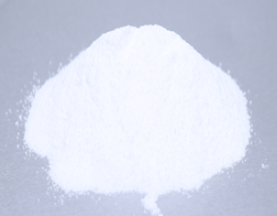
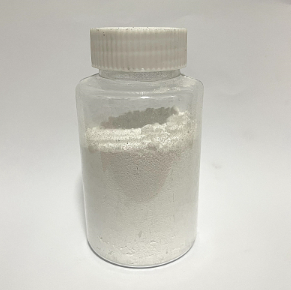
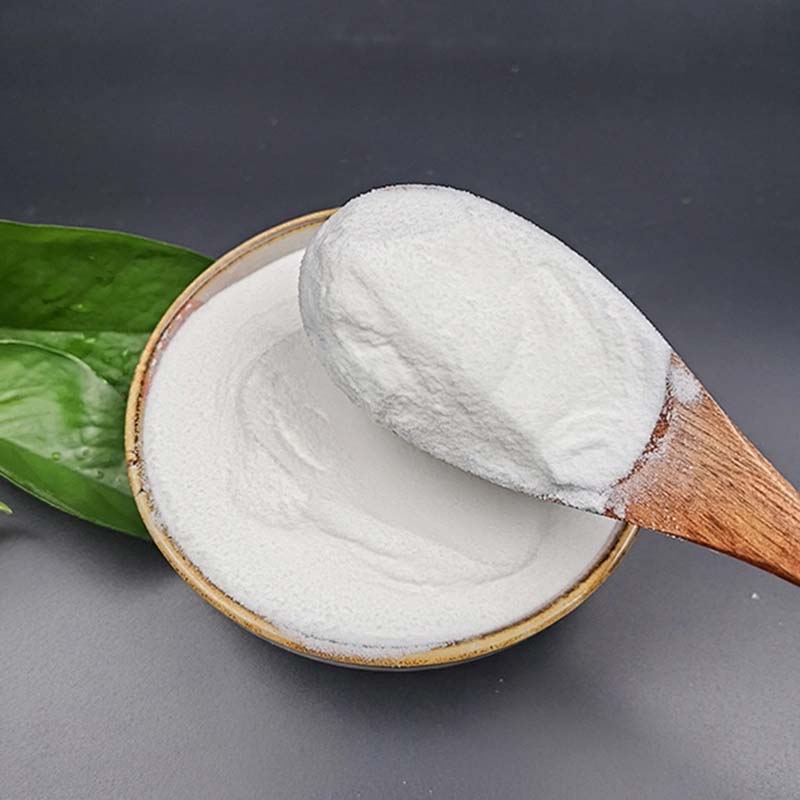
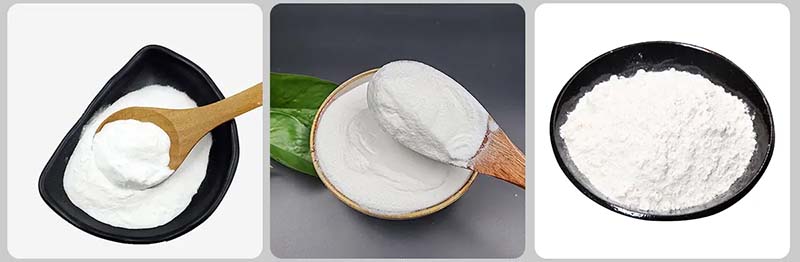
| شكل المظهر | مسحوق |
| قيمة الرقم الهيدروجيني (pKa) | 11.03±0.46 (متوقع) |
| اللون | أبيض |
| قابلية الذوبان في الماء | 2.5 جم/لتر (25 ° ج |
| فهرس ميرك | 142077 |
| بي آر إن | 2225532 |
| فئة BCS | 3 |
| إن-تشي-كي | وييزويفسيجيكجزوك-آر كي دي إكس إن دبليو إتش آر إس إيه-إن |
| لوج بي | 1.14 |
| رقم CAS | 56-75-7 |
| مرجع NIST | كلورامفينيكول (56-75-7) |
| تصنيف المنظمة الدولية لأبحاث السرطان | 2A (فول. سوپ 7، 50) 1990 |
| سجل وكالة حماية البيئة | كلورامفينيكول (56-75-7) |
| عنصر | تفاصيل |
|---|---|
| رموز المخاطر | ت، ف |
| عبارات المخاطر | 45-11-39/23/24/25-23/24/25 |
| بيانات السلامة | 53-45-16-36/37 |
| ريدادار | 2811 |
| دبليو جي كي ألمانيا | 3 |
| آر تي إي سي إس | AB6825000 |
| رقم F | 45726 |
| الوضع وفقاً لقانون مراقبة المواد السامة (TSCA) | نعم |
| فئة الخطر | مُهَيِّج |
| رمز النظام المنسق | 29414000 |
| رقم تعريف المادة الخطرة | 56-75-7 |
| الحد الأدنى للجرعة الممتصة عن طريق الفم (LD50) (بالنسبة للفئران) | 2500 ملغ/كغ |