ميثانول CAS: 67-56-1
ميثانولهو مذيب عالي التنوع يمكنه الامتزاج تمامًا مع الماء والعديد من المذيبات العضوية. تبلغ درجة انصهاره -97.8 درجة مئوية ودرجة غليانه 64.5 درجة مئوية، مما يمنحه خصائص تطاير قوية. في درجة حرارة الغرفة، لا يتسبب الميثانول في تآكل معظم المعادن، على الرغم من أنه يتفاعل مع الألومنيوم والرصاص. له استخدامات صناعية متنوعة، بما في ذلك كونه مذيبًا، ومكونًا لمضادات التجمد، ووقودًا، ووسيطًا معادلًا.
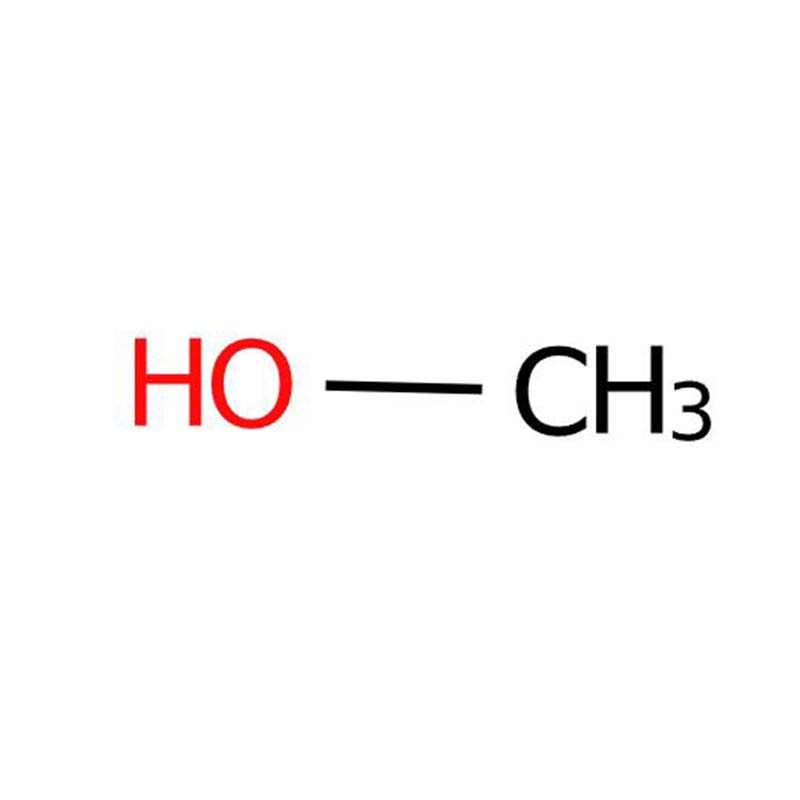
ميثانول، الذي يُشار إليه غالبًا باسم كحول الخشب، هو أبسط بنية بين الكحوليات الأحادية المشبعة.
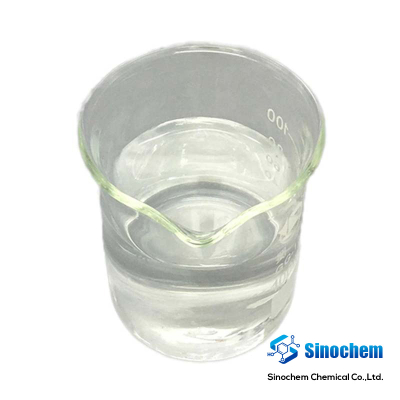
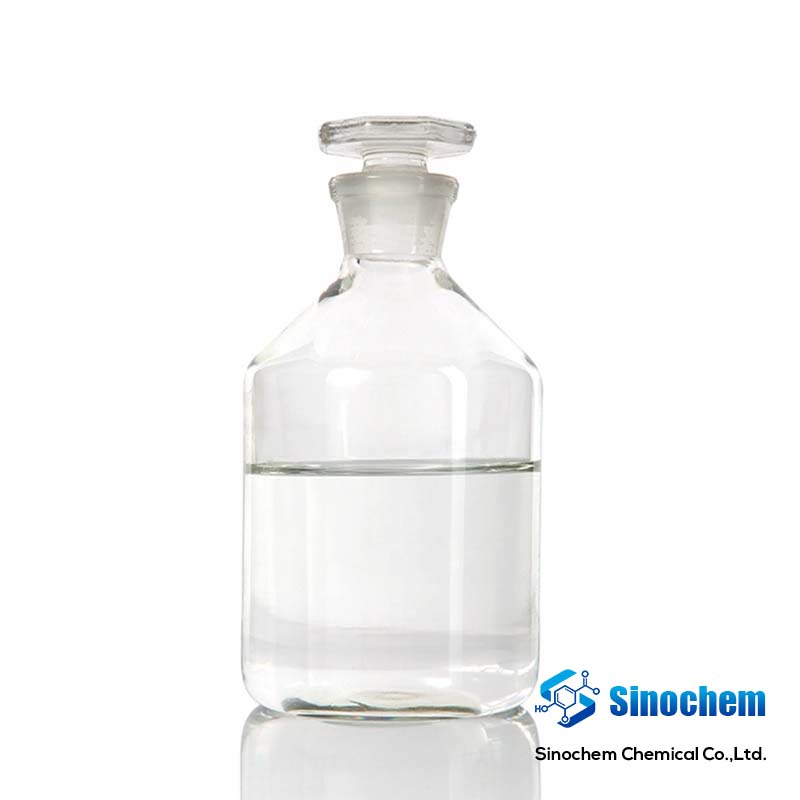
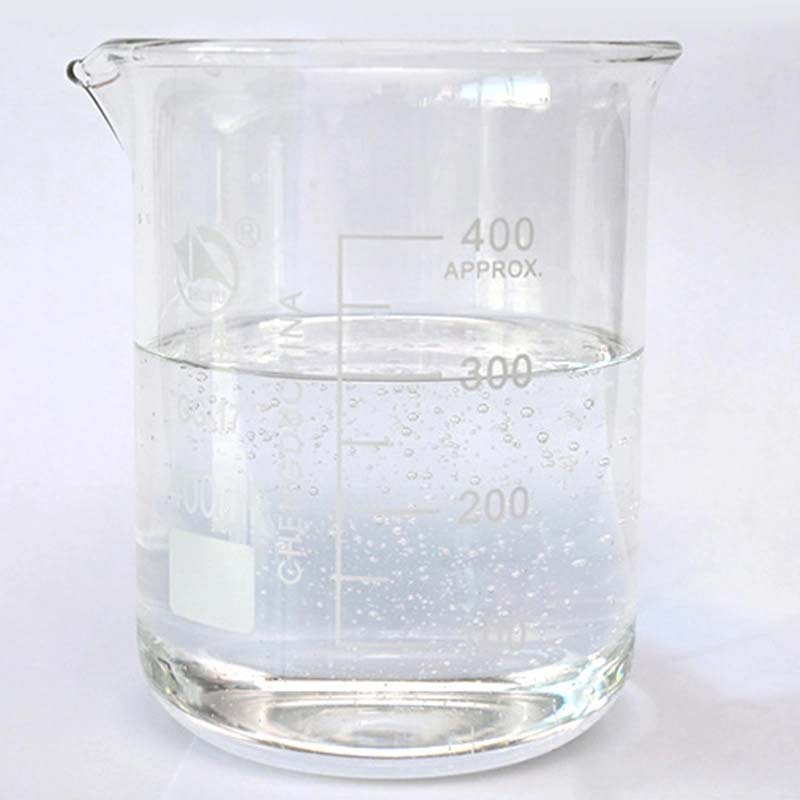
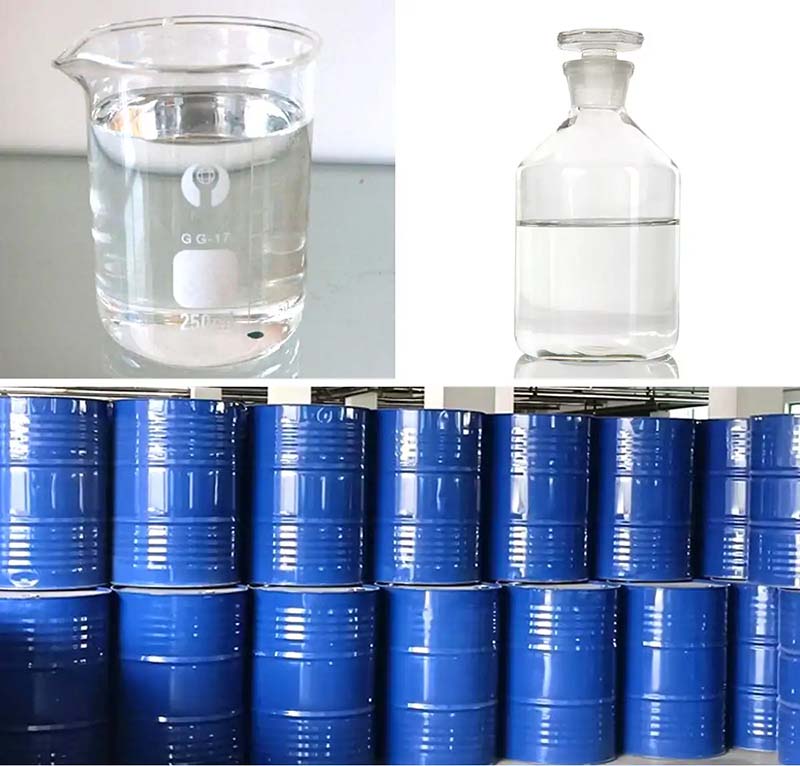
تظهر هذه المادة الكيميائية العضوية كسائل شفاف عديم اللون ذي تطاير عالٍ، وهو قابل للاشتعال وشديد السمية.
حتى تناول كمية صغيرة تتراوح بين 5 إلى 10 ملليلتر يمكن أن يسبب ضعفًا دائمًا في البصر، بينما تؤدي الكميات الأكبر إلى الوفاة. تنبعث منه رائحة خفيفة تشبه رائحة الكحول النموذجية.
في درجة حرارة الغرفة، لا يتآكل معظم المعادن، باستثناء الألومنيوم والرصاص.
تشمل مؤشراته الفيزيائية الرئيسية كثافة نسبية تبلغ 0.792 عند 20/4 درجة مئوية، ونقطة انصهار تبلغ -97.8 درجة مئوية، ونقطة غليان تبلغ 64.5 درجة مئوية.
نقطة الوميض هي 12.22 درجة مئوية، مع درجة حرارة اشتعال ذاتي تبلغ 463.89 درجة مئوية.
كثافة البخار هي 1.11، وضغط البخار هو 13.33 كيلوباسكال عند 21.2 درجة مئوية. عند خلطه مع الهواء، يشكل بخار الميثانول تركيبات متفجرة في نطاق تركيز حجمي يتراوح بين 6% إلى 36.5%.
يمكن أن يذوب تمامًا في الماء، الإيثانول، الإيثر، البنزين، الكيتونات، الهيدروكربونات المهلجنة ومعظم المذيبات العضوية الشائعة الأخرى.
في الإنتاج الصناعي، يُستخدم الميثانول على نطاق واسع كمذيب، ومكون مضاد للتجمد، ومادة وقود، ووسط معادل.
معاملات
| نقطة الانصهار | -98 درجة مئوية (مضاءة) |
| نقطة الغليان | 65.4 درجة مئوية (مضاءة) |
| كثافة | 0.791 جم/مل عند 25 درجة مئوية |
| كثافة البخار | 1.11 (مقارنة بالهواء) |
| ضغط البخار | 410 مم زئبق (50 درجة مئوية) |
| معامل الانكسار | n20/D 1.329 (مضاءة) |
| فب | 52 درجة فهرنهايت |
| درجة حرارة التخزين | 2 إلى 8 درجات مئوية |
| الذوبان | البنزين: قابل للامتزاج (مضاءة) |
| pka | 15.2 (عند 25 درجة مئوية) |
| استمارة | سائل خالٍ من الجسيمات |
| لون | <10 (APHA) |
| الجاذبية النوعية | 0.793 (20/20 درجة مئوية) |
| القطبية النسبية | 0.762 |
| رائحة | رائحة كحول خفيفة يمكن اكتشافها عند 4 إلى 6000 جزء في المليون (المتوسط = 160 جزء في المليون) |
| الرقم الهيدروجيني | 6.8 (20 درجة مئوية في H2O) |
| لون اللهب | أزرق شاحب |
| عتبة الرائحة | 33 جزء في المليون |
| الحد المتفجر | 5.5-44% (حجم) |
| الذوبان في الماء | قابلة للامتزاج |
| lmax | λ: 210 نانومتر، Amax: 0.50 |
| λ: 220 نانومتر Amax: 0.30 | |
| λ: 230 نانومتر أقصى امتصاص: 0.15 | |
| λ: 235 نانومتر أقصى امتصاص: 0.10 | |
| λ: 240 نانومتر أقصى امتصاص: 0.05 | |
| : 260 نانومتر الحد الأقصى: 0.01 | |
| λ: 400 نانومتر أقصى امتصاص: 0.01 | |
| ميرك | 145,957 |
| بي آر إن | 1098229 |
| ثابت قانون هنري | 4.99 عند 25 درجة مئوية (تحليل الفراغ الرأسي-غاز كروماتوغرافيا، غوبتا وآخرون، 2000) |
| حدود التعرض | TLV-TWA (200 جزء في المليون) (ACGIH)، 260 ملغ/م³، 1040 ملغ/م³ (800 جزء في المليون) لمدة 15 دقيقة (NIOSH)؛ STEL 310 ملغ/م³ (250 جزء في المليون)؛ IDLH 25,000 جزء في المليون (NIOSH). |
| ثابت العزل الكهربائي | 33.6 (20 درجة مئوية) |
| سجلP | -0.77 |
| التوتر السطحي | 22.22 مللي نيوتن/م عند 298.15 كلفن |
| التوتر السطحي | 22.7 مللي نيوتن/م عند 20 درجة مئوية |
| مرجع قاعدة بيانات CAS | 67-56-1 (مرجع قاعدة بيانات CAS) |
| مرجع الكيمياء NIST | ميثيل كحول (67-56-1) |
| نظام تسجيل المواد الخاص بوكالة حماية البيئة (EPA). | ميثانول (67-56-1) |
| امتصاص | وفقًا لـ |
معلومات السلامة
رموز المخاطر |
اكس ن، تي، ف |
بيانات المخاطر |
10-20/21/22-68/20/21/22-39/23/24/25-23/24/25-11-40-36-36/38-23/25 |
بيانات السلامة |
36/37-7-45-16-24/25-23-24-26 |
ريدادر |
الأمم المتحدة 1170 3/فئة التعبئة 2 |
OEB |
أ. |
OEL |
TWA: 200 جزء في المليون (260 ملغ/م³)، STEL: 250 جزء في المليون (325 ملغ/م³) [جلد] |
دبليو جي كيه ألمانيا |
1 |
RTECS |
PC1400000 |
ف |
3-10 |
درجة حرارة الاشتعال الذاتي |
385 درجة مئوية |
تسكا |
نعم. |
رمز النظام المنسق |
2905 11 00 |
فئة المخاطر |
3 |
مجموعة التعبئة |
الثاني |
بيانات المواد الخطرة |
67-56-1 (بيانات المواد الخطرة) |
سمية |
الجرعة المميتة 50 فمويًا (جرذ) |
IDLA |
6,000 جزء في المليون |
الميثانول يعمل كمادة خام صناعية مفيدة للغاية ووقود نظيف.
يُستخدم بشكل رئيسي في الصناعات الكيميائية الدقيقة والبلاستيك والقطاعات ذات الصلة لتصنيع الفورمالديهايد وحمض الخليك وكلوريد الميثيل والميثيل أمين وكبريتات ثنائي الميثيل وغيرها من المنتجات العضوية، كما يعمل كوسيط مهم للمبيدات الحشرية والأدوية. بعد التنقية المناسبة، يمكن استخدامه مباشرة كوقود نظيف أو خلطه مع البنزين. يمكن للميثانول أن يخضع للأسترة مع الأحماض مثل حمض الكبريتيك وحمض الكربونيك. يتفاعل ببطء مع حمض الهيدروكلوريك عند درجة حرارة 0 درجة مئوية. عند تسخينه إلى 160 درجة مئوية مع محفزات مثل حمض الكبريتيك أو حمض الميتافوسفوريك أو ثلاثي أكسيد البورون، يتحول إلى ثنائي ميثيل الإيثر عن طريق الجفاف. تحت تحفيز أكسيد الألومنيوم أو أكسيد الثوريوم عند درجة حرارة 200-400 درجة مئوية، ينتج بخار الميثانول أيضًا ثنائي ميثيل الإيثر من خلال الجفاف. كمذيب، يذيب الميثانول جزءًا من هاليدات المعادن وأملاح الأحماض العضوية، بينما تكون الكبريتات قليلة الذوبان والكربونات غير قابلة للذوبان تقريبًا. كما أنه مادة أساسية لإنتاج الفورمالديهايد وحمض الفورميك ومجموعة متنوعة من الإسترات من الأحماض غير العضوية والعضوية.