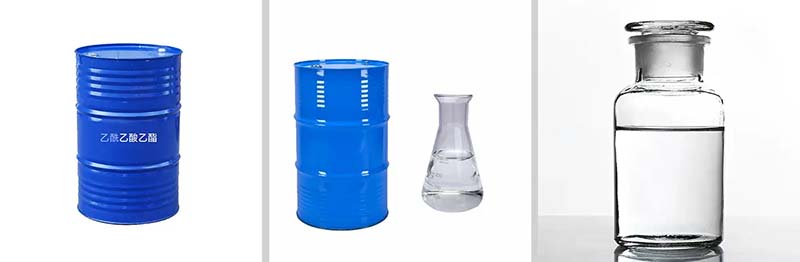
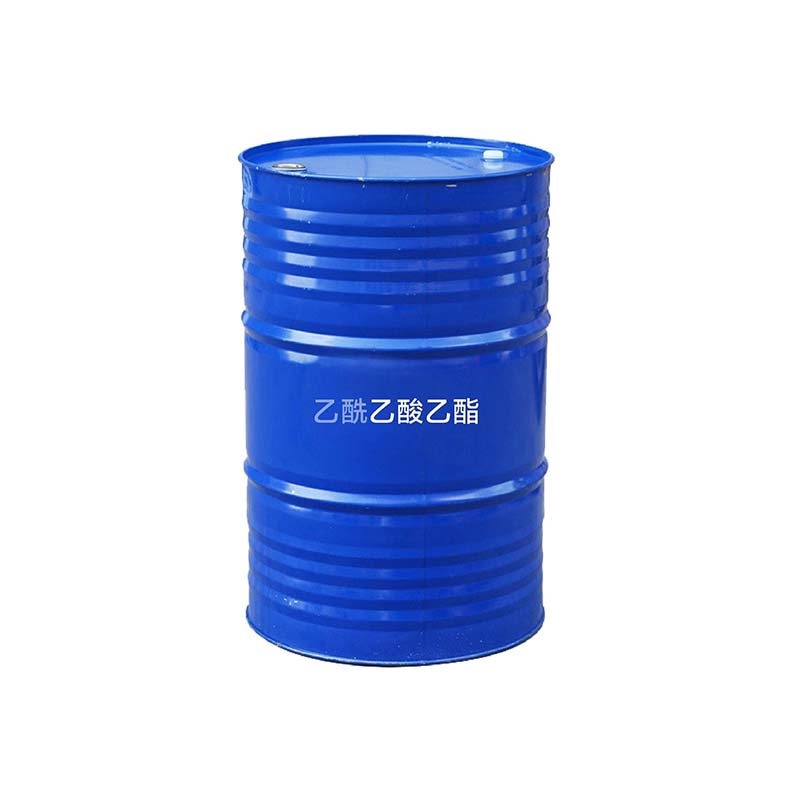
Ethyl Acetate CAS : 141-78-6

Ethyl acetate, with the chemical formula CH₃COOC₂H₅, is a clear, easily vaporized liquid known for its distinctive sweet, fruity scent. As a highly effective organic solvent, it is widely applied in manufacturing coatings, printing inks, and various bonding agents. Besides its industrial uses, it is commonly employed as a fruit‑flavored additive in the food industry, while also acting as an essential intermediate in pharmaceutical production and fragrance manufacturing. Featuring low toxicity, rapid evaporation rate, and a mild agreeable smell, ethyl acetate is extensively utilized across a wide range of industrial and consumer goods.

Product Details

I. Basic Properties Summary 

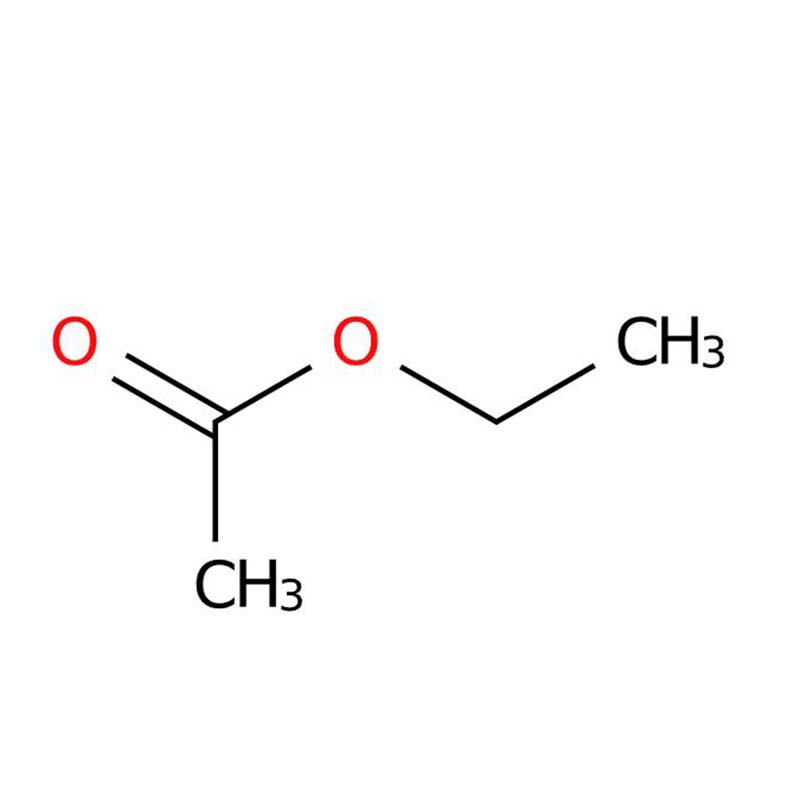
Ethyl acetate (molecular formula CH₃COOCH₂CH₃) is an ester compound produced through the esterification reaction between acetic acid and ethanol. This colorless and clear liquid features high volatility and a distinct sweet fruity fragrance similar to pineapple and pear. 

It exhibits outstanding solvency performance and can dissolve numerous organic compounds efficiently, which makes it one of the most commonly used organic solvents in modern industry. Ethyl acetate plays a critical role in many fields including coatings, printing inks, adhesives, pharmaceutical manufacturing and food processing. 

It is a highly flammable substance whose vapor may form explosive combinations when mixed with air, so strict fire and explosion protection measures must be taken during its production, transportation and daily application.


Ethyl Acetate CAS : 141-78-6


II. Key Physical & Chemical Properties

PropertyValue / Description
Chemical NameEthyl Acetate
Chemical FormulaC₄H₈O₂ / CH₃COOC₂H₅
Molecular Weight88.11 g/mol
AppearanceColorless transparent liquid
OdorSweet, fruity, similar to pineapple or pear
Boiling Point77.1 °C
Melting Point-83.6 °C
Density (20°C)0.902 g/mL
Flash Point-4 °C (closed cup) (Highly Flammable Liquid)
Autoignition Temperature426 °C
Explosive Limits (in air)2.0% - 11.5% (by volume)
Refractive Index (20°C)1.372
Viscosity (25°C)0.45 mPa·s
SolubilitySlightly soluble in water (~8.7 g/100 mL at 20°C); miscible with most organic solvents like ethanol, ether, acetone, chloroform.
Vapor Pressure (20°C)97 mmHg
Key Chemical PropertiesTypical ester; undergoes hydrolysis in the presence of acid or base catalysts to form acetic acid and ethanol; reacts with amines via aminolysis.


III. Main Application Areas

Solvent Applications: As a widely used high-performance solvent, ethyl acetate is widely applied in nitrocellulose coatings such as nail polish and furniture finishes, printing inks, adhesives like contact adhesives, and artificial leather manufacturing. Its advantages include strong dissolving capacity, moderate evaporation speed, and minimal residual content after volatilization.
Food Industry: It acts as a nature-identical flavor enhancer, mainly used in fruit-flavored flavorings to add fruity aromas to confectionery, drinks, frozen desserts, and other food products.
Pharmaceutical Industry: It is used as an extraction solvent and reaction carrier, mainly for extracting active components from natural products such as caffeine from tea leaves, and also as an important medium in drug synthesis.
Chemical Synthesis Intermediate: It participates in the production of fine chemical products such as acetic anhydride, ethyl acetoacetate, and various pharmaceutical intermediates.
Other Applications: It can be used as a metal degreasing cleaning agent, a mobile phase solvent in chromatographic analysis, and a fragrance additive in cosmetic formulations.

IV. Storage and Handling Guidelines

Storage Requirements: Ethyl acetate should be stored in a cool, ventilated special warehouse or explosion-proof storage cabinet, kept away from heat sources, ignition points, and strong oxidizing agents including nitric acid and potassium permanganate. The storage environment temperature shall be controlled below 30°C, and the packaging containers must be kept tightly closed.
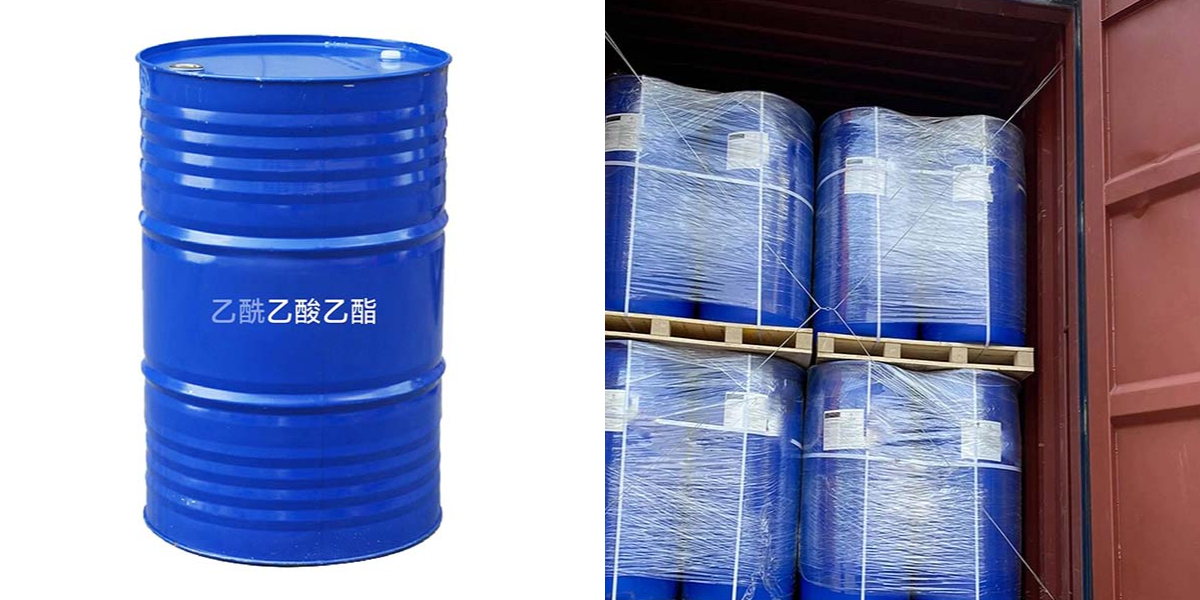
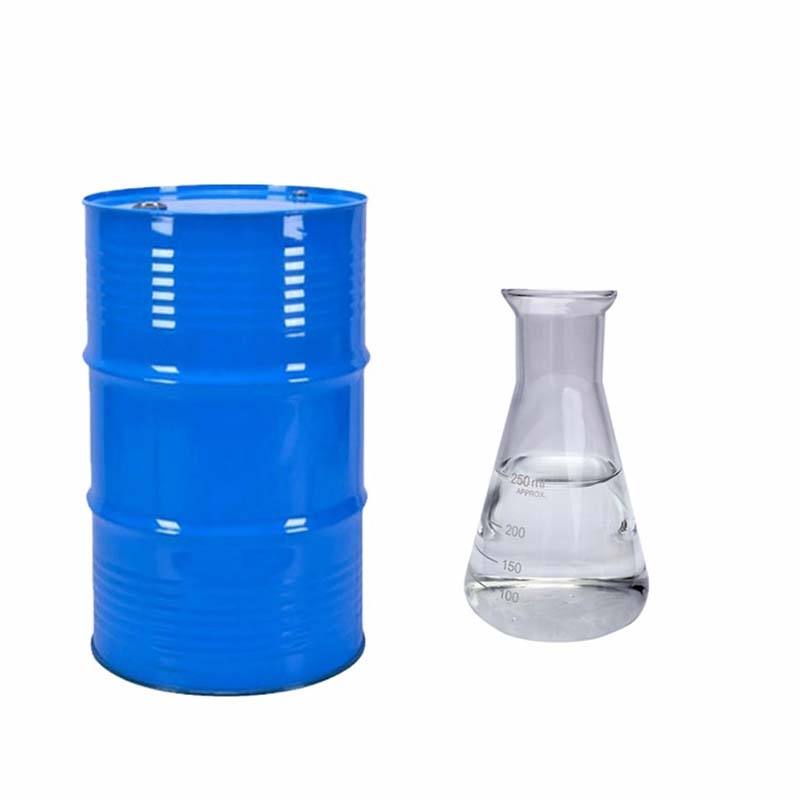
Packaging Selection: Recommended packaging includes stainless steel storage tanks, galvanized steel drums, or steel drums with epoxy coating. Long-term use of plastic drums is not recommended to avoid container expansion and deformation.
Operation Safety Notes:
Operators should wear chemical safety goggles, nitrile or fluororubber anti-solvent gloves, and antistatic protective clothing. In confined or poorly ventilated spaces, necessary respiratory protection is required.
Smoking is prohibited in the operation area; open flames, static electricity sparks and other ignition sources must be strictly prohibited. All operating equipment should be grounded reliably, and explosion-proof electrical facilities should be used.
Effectively control the volatilization and leakage of steam, and install local exhaust ventilation devices to ensure air circulation.
Leakage Emergency Treatment: Quickly cut off all ignition sources and organize personnel to evacuate to the upwind direction. For small-scale leakage, use sandy soil and other inert materials for absorption and treatment. For large-scale leakage, build a dike to collect the liquid, and use alcohol-resistant foam to cover it to reduce steam volatilization. The collected waste liquid shall be transferred to a professional treatment site, and the contaminated area shall be fully rinsed with clean water.

Fire Fighting Measures: Ethyl acetate is a flammable liquid. Suitable extinguishing agents include alcohol-resistant foam, dry powder, and carbon dioxide fire extinguishers. Direct use of water flow should be cautious to prevent the fire from spreading. Firefighters must wear positive pressure air breathing apparatus and full-body protective clothing, and spray water to cool the surrounding containers.


Ethyl Acetate CAS : 141-78-6


Leave your messages

Related Products

x

Popular products

x