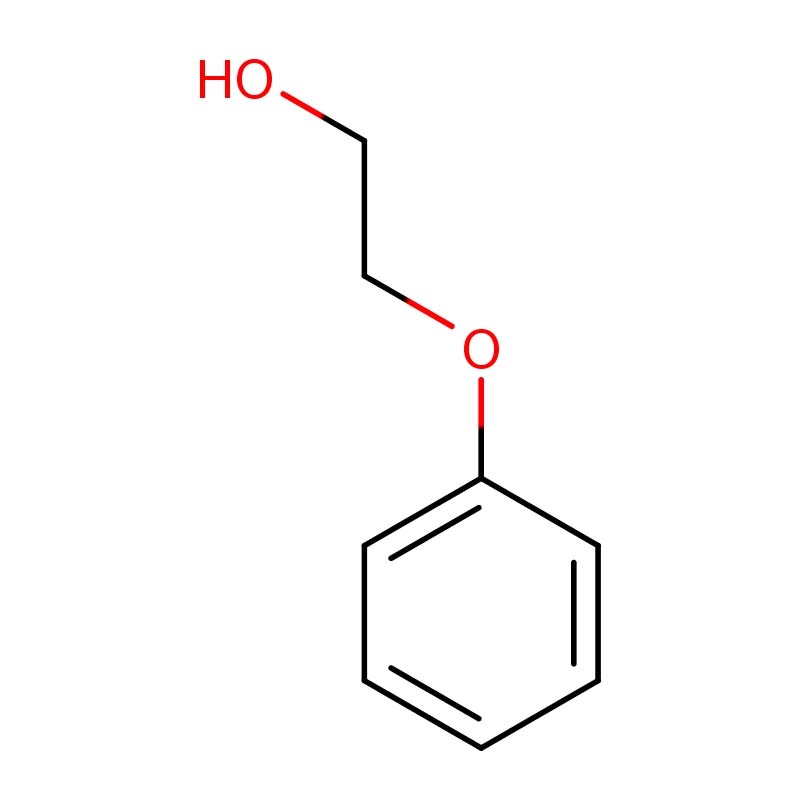
2-فينوكسي إيثانول (درجة صيدلانية)CAS: 122-99-6
أداء الحفظ: يتميز الفينوكسي إيثانول بتأثيرات مضادة للميكروبات واسعة النطاق، حيث يمارس نشاطًا مثبطًا ضد البكتيريا والخمائر والعفن على حد سواء. تعزز هذه الخاصية مكانته كمكون حافظ أساسي في منتجات التجميل والعناية الشخصية.
خصائص السلامة:بفضل سميته الجهازية المنخفضة واحتمالية تهيجه الطفيفة، فإن الفينوكسي إيثانول مناسب تمامًا للتركيبات الموضعية والحقنية. كما أن خصائص امتصاصه الجلدي الملائمة تدعم توافقه مع هذه التطبيقات.
الميزة التنظيمية:غالبًا ما يُعترف به كبديل مفضل للبارابين، حيث يخفف الفينوكسي إيثانول من المخاوف المتعلقة بالتأثيرات المحتملة لاضطراب الغدد الصماء مع الحفاظ على وظيفة حفظ موثوقة.
وظيفة مضادة للتعفن:يمكن للفينوكسي إيثانول أن يثبط بشكل فعال العديد من الميكروبات بما في ذلك البكتيريا والفطريات والعفن بسبب خصائصه المضادة للبكتيريا واسعة النطاق. وبالتالي أصبح مكونًا رئيسيًا مضادًا للتعفن يُستخدم بشكل شائع في مستحضرات التجميل ومنتجات العناية اليومية.
ميزات السلامة:يتميز هذا المكون بسمية داخلية منخفضة وتهيج جلدي خفيف. يناسب بشكل جيد منتجات البشرة الخارجية وكذلك المستحضرات القابلة للحقن، كما أن اختراقه المعتدل للجلد يضمن الاستخدام الآمن في التركيبات ذات الصلة.
تفوق الامتثال:يُقبل على نطاق واسع كبديل مثالي للمواد الحافظة البارابين. يمكنه تجنب المخاطر الخفية لاضطراب الغدد الصماء مع الحفاظ على قدرة مضادة للتعفن مستقرة وممتازة.
مجالات التطبيق الواسعة:بالإضافة إلى منتجات التجميل والعناية الشخصية، يُستخدم أيضًا على نطاق واسع في الأدوية الطبية ومنتجات اللقاحات. يمكنه إطالة عمر المنتج بشكل فعال ومنع التلوث الميكروبي الضار.
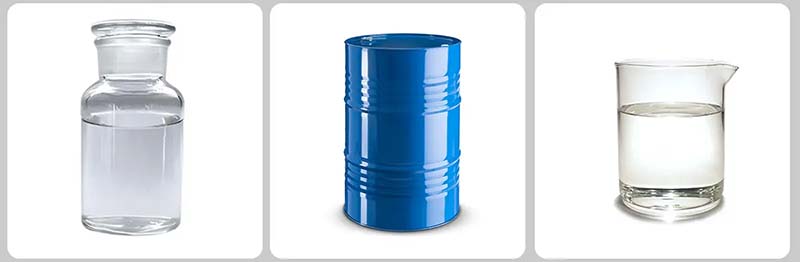
الخصائص الكيميائية لـ 2-فينوكسي إيثانول
نقطة الانصهار |
11-13 درجة مئوية (مضاءة) |
نقطة الغليان |
247 درجة مئوية (مضاءة) |
كثافة |
1.102 جم/مل عند 25 درجة مئوية (مضاءة) |
كثافة البخار |
4.8 (مقابل الهواء) |
ضغط البخار |
0.01 مم زئبق (عند درجة حرارة 20 مئوية) |
معامل الانكسار |
n20/D 1.539 |
الوكالة الفيدرالية لإدارة الطوارئ (FEMA). |
4620 | 2-فينوكسي إيثانول |
فب |
>230 درجة فهرنهايت |
درجة حرارة التخزين |
يجب تخزينه في درجة حرارة أعلى من +30 درجة مئوية. |
الذوبان |
قابل للذوبان، صافٍ، عديم اللون إلى أصفر خفيف جدًا |
pka |
14.36±0.10 (متوقع) |
استمارة |
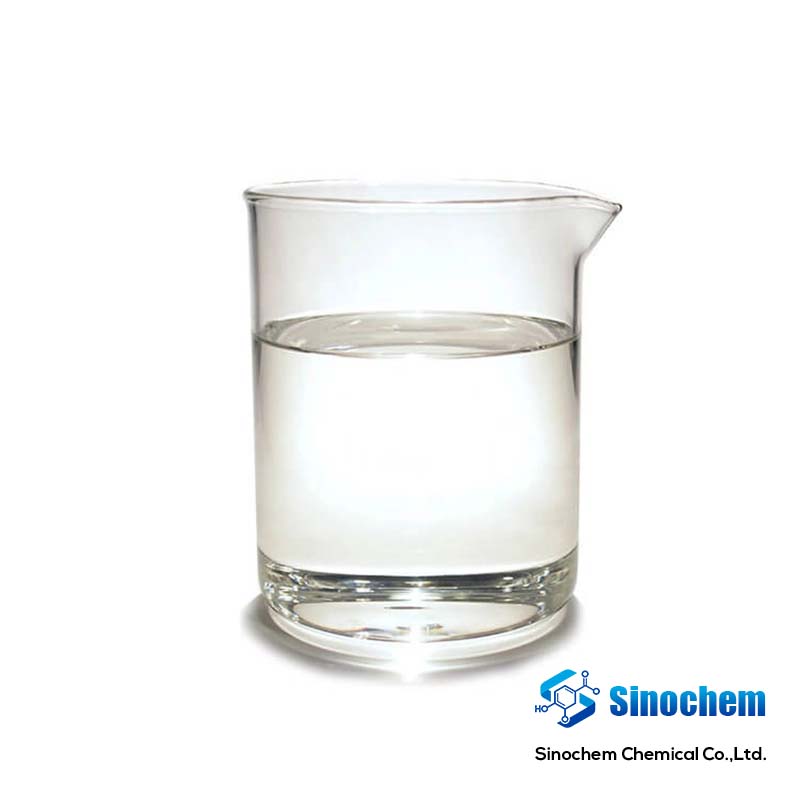
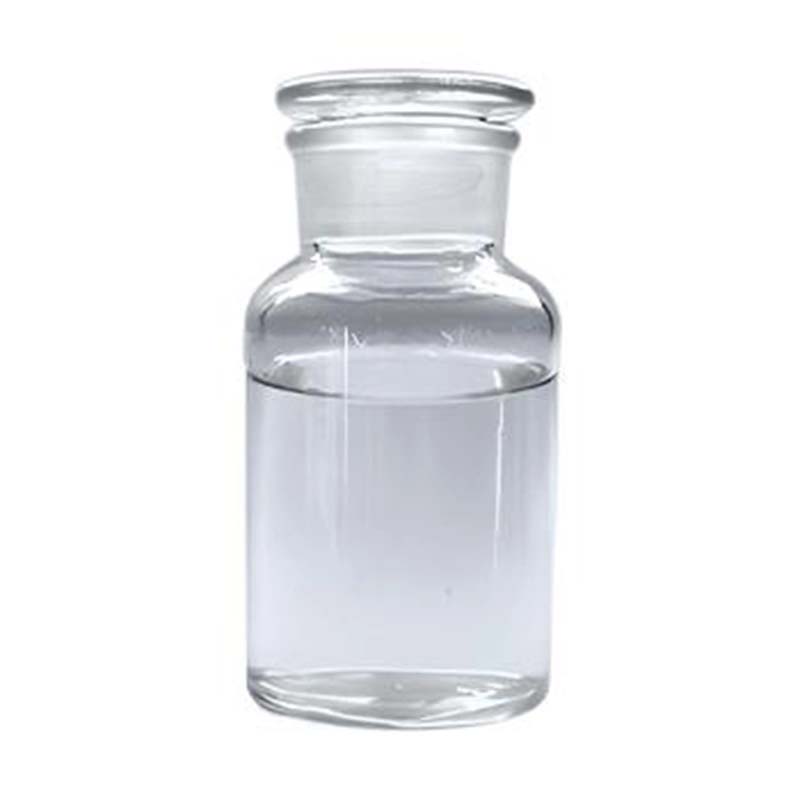
سائل |
لون |
واضح عديم اللون |
الجاذبية النوعية |
1.109 (20/4℃) |
رائحة |
رائحة عطرية خفيفة |
نطاق الرقم الهيدروجيني |
7 عند 10 جم/لتر عند 23°م |
الرقم الهيدروجيني |
7 (10 جم/لتر، H2O، 23 درجة مئوية) |
الحد المتفجر |
1.4-9.0%(V) |
نوع الرائحة |
زهري |
الذوبان في الماء |
30 جم/لتر (20 درجة مئوية) |
ميرك |
14,7257 |
بي آر إن |
1364011 |
InChIKey |
QCDWFXQBSFUVSP-UHFFFAOYSA-N |
سجلP |
1.2 عند 23 درجة مئوية |
مرجع قاعدة بيانات CAS |
122-99-6 (مرجع قاعدة بيانات CAS) |
مرجع الكيمياء NIST |
2-فينوكسي إيثانول (122-99-6) |
نظام تسجيل المواد الخاص بوكالة حماية البيئة (EPA). |
جلايكول الإثيلينإيثر أحادي الفينيل (122-99-6) |
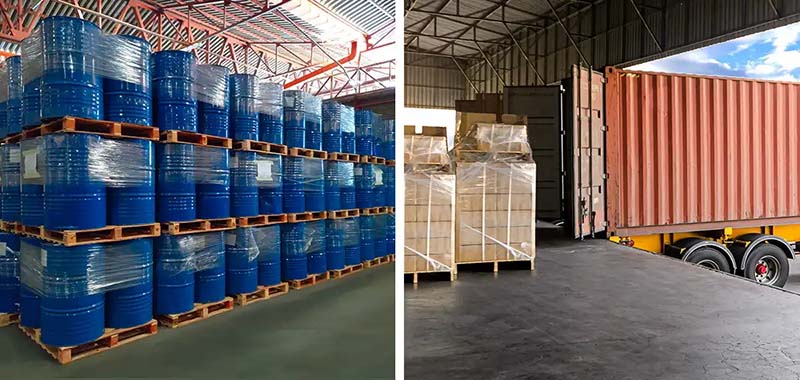
معلومات السلامة
رموز المخاطر |
اكس ن، شي |
بيانات المخاطر |
22-36-R36-R22 |
بيانات السلامة |
26-S26 |
دبليو جي كيه ألمانيا |
1 |
RTECS |
KM0350000 |
درجة حرارة الاشتعال الذاتي |
535 درجة مئوية DIN 51794 |
ملاحظة المخاطر |
مهيج |
تسكا |
نعم. |
رمز النظام المنسق |
29094990 |
بيانات المواد الخطرة |
122-99-6 (بيانات المواد الخطرة) |
سمية |
LD50 عن طريق الفم في الأرنب: 1850 ملغم/كغم LD50 جلدي في الأرنب > 2000 ملغم/كغم |