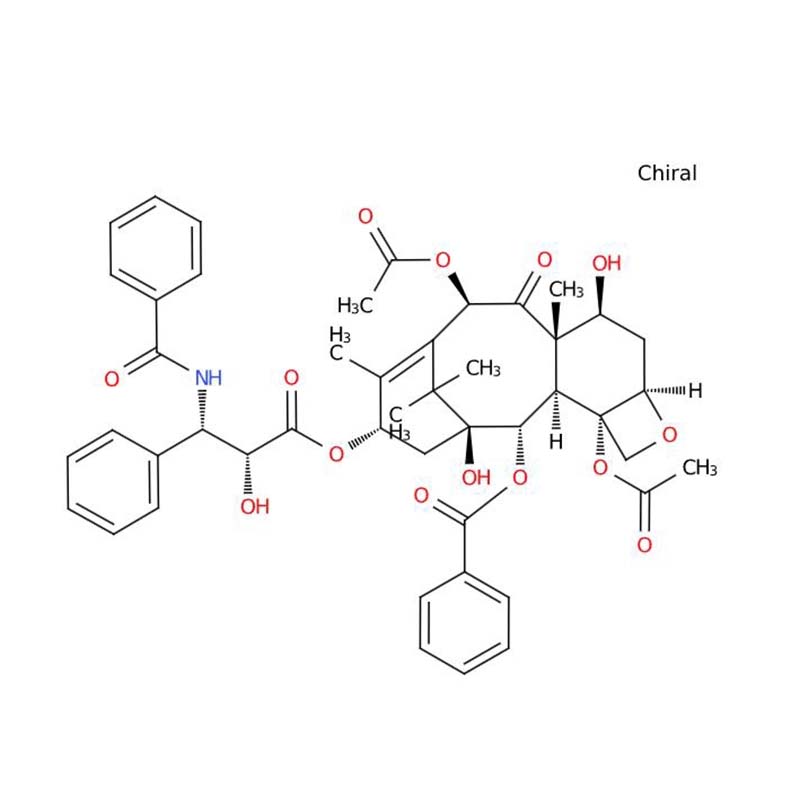
باكليتاكسيل CAS: 33069-62-4
آلية العمل: هذا العامل العلاجي يرتبط تحديدًا بالأنابيب الدقيقة المجمعة، مما يعزز استقرارها وبالتالي يتداخل مع عمليات انقسام الخلايا الطبيعية.
الفعالية في علاج الأورام:ثبتت فعاليته سريريًا ضد مجموعة من السرطانات، بما في ذلك سرطان المبيض والثدي والرئة غير صغير الخلايا والقولون والمستقيم والأورام الصلبة الأخرى.
اضطراب دورة الخلية:يؤدي إلى توقف دورة الخلية بدقة أثناء الانقسام الفتيلي، مما يثبط تكاثر الخلايا الخبيثة ونمو الورم.
الأدلة السريرية:يُستخدم على نطاق واسع في أنظمة علاج السرطان المتقدمة، مع بيانات فعالية قوية مدعومة بتجارب سريرية من المرحلة الثانية والثالثة.
نظرة عامة على المنتج
باكليتاكسيل هو مركب ثنائي التربين استُخلص في الأصل من لحاء شجرة الطقسوس القصيرة الأوراق (Taxus brevifolia). وبصفته ممثلاً بارزاً لعوامل التاكسان المضادة للأورام، أصبح واحداً من أكثر الأدوية الكيميائية قيمة سريرية وانتشاراً في علم الأورام المعاصر.
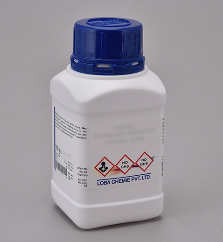
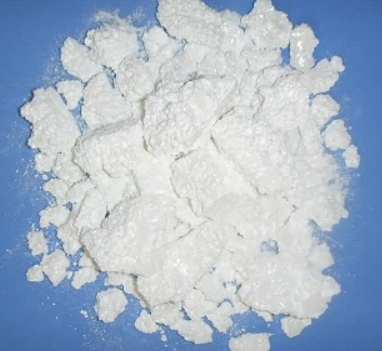
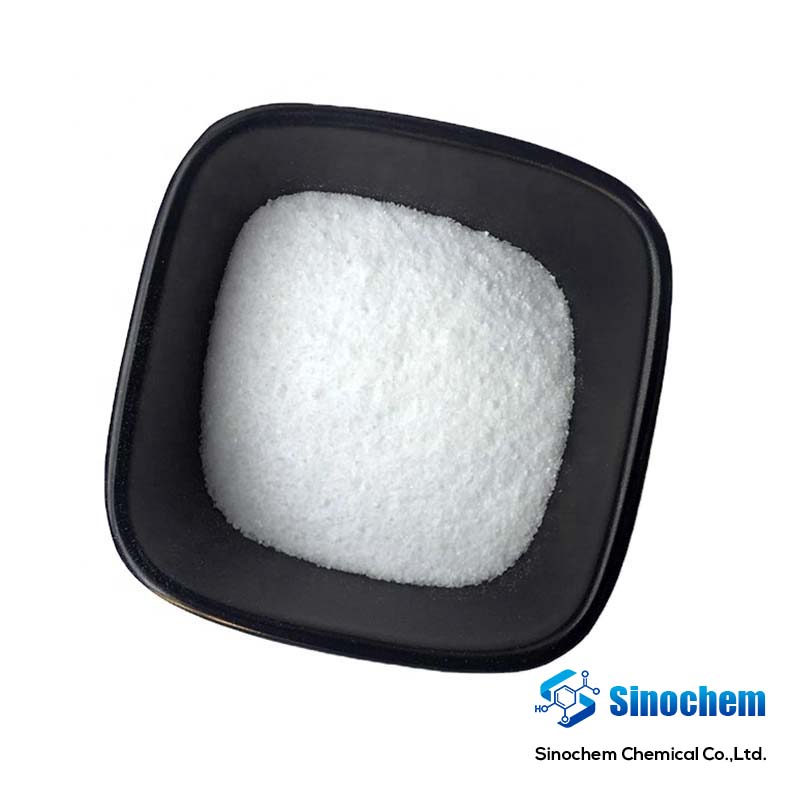
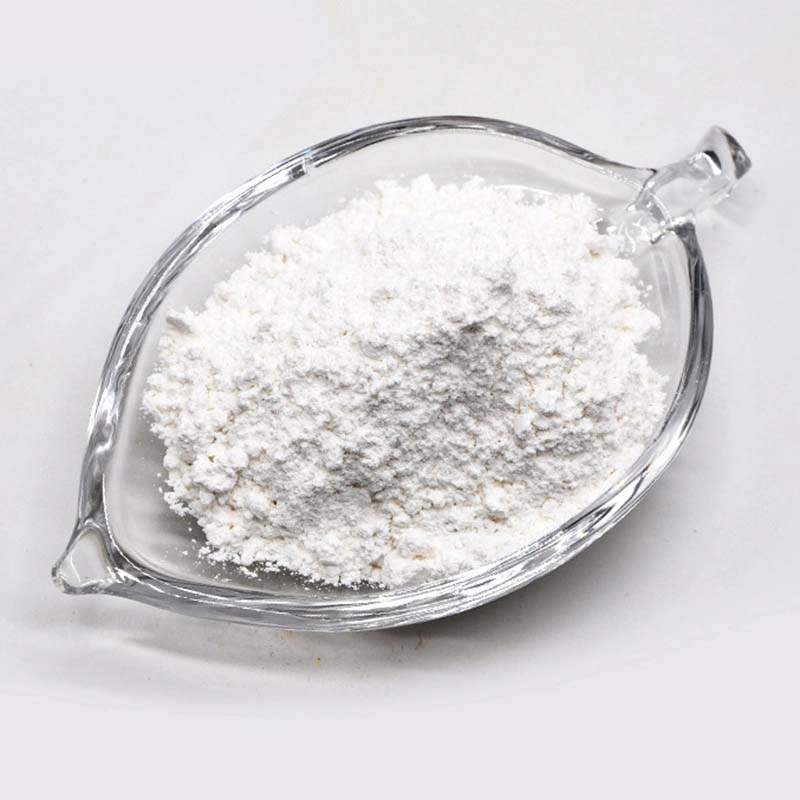
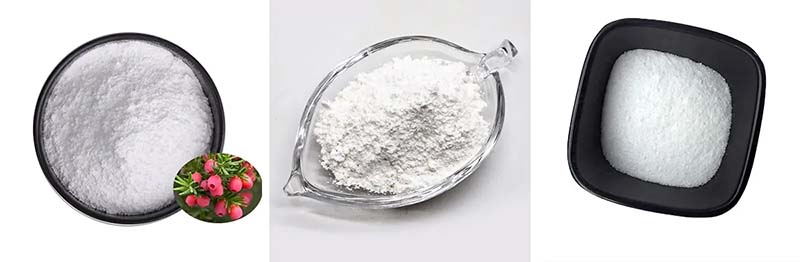
صيغته الجزيئية هي C₄₇H₅₁NO₁₄، ورقم تسجيله في كاس هو 33069-62-4، ووزنه الجزيئي 853.9 غ/مول. يظهر باكليتاكسيل على شكل مسحوق بلوري أبيض إلى أبيض مائل للصفرة، يتميز بارتفاع محبته للدهون وانخفاض ذوبانه في الماء.
بصفته مكونًا أساسيًا في أنظمة العلاج الكيميائي السائدة، يُستخدم باكليتاكسيل على نطاق واسع في علاج العديد من الأورام الصلبة، وقد أُدرج في قائمة منظمة الصحة العالمية للأدوية الأساسية.
2. الميزات الرئيسية
آلية تثبيت الأنابيب الدقيقة المميزة:على عكس الأدوية المضادة للانقسام التقليدية التي تمنع تكوين الأنابيب الدقيقة، يعمل باكليتاكسيل بنشاط على تعزيز بلمرة الأنابيب الدقيقة وزيادة استقرارها الهيكلي، مما يعوق التوازن الديناميكي اللازم للانقسام الخيطي.
طيف واسع مضاد للأورام:يظهر تأثيرات مثبطة كبيرة ضد سرطان المبيض، وسرطان الثدي، وسرطان الرئة، وساركوما كابوزي المرتبطة بالإيدز، كما يُظهر إمكانات علاجية ضد العديد من الأورام الخبيثة الأخرى.
تدخل في دورة الخلية في مراحل متعددة:يوقف العامل بشكل رئيسي تكاثر الخلايا في المراحل المتأخرة من G2 وM؛ وفي الوقت نفسه، يمكنه أيضًا التدخل في الخلايا بين الانقسامات عن طريق تدمير الاتصال بين النواة والهيكل الخلوي.
تحفيز مسارات موت الخلايا المتنوعة:يمكن لباكليتاكسيل تنشيط عدة آليات موت خلوي مبرمج بما في ذلك الاستماتة، والالتهام الذاتي، والموت الحديدي، والموت النخري، والتي تعزز مجتمعة تأثيره المضاد للأورام.
قيمة سريرية مثبتة:مدعوم بالتطبيق السريري طويل الأمد والبحث المكثف، تم تحديد وتوحيد نظام الجرعات وملف السلامة والاستراتيجيات العلاجية المركبة بشكل كامل.
أشكال جرعات متنوعة:بالإضافة إلى المستحضر الكلاسيكي القائم على كريمفور EL، تم تطوير تركيبات متقدمة مثل باكليتاكسيل المرتبط بالألبومين (أبراكسان®) لتقليل التفاعلات العكسية المرتبطة بالمذيبات.
تطبيقات موسعة في الأجهزة التداخلية:خارج مجال علاج السرطان، تُستخدم البالونات والدعامات المطلية بالباكليتاكسيل على نطاق واسع في علاج مرض الشرايين المحيطية (PAD) لتثبيط إعادة التضيق الوعائي.
3. المواصفات الفنية مع الشروحات
| معلمة | القيمة/المواصفة النموذجية | الوصف والأهمية |
|---|---|---|
| رقم كاس | 33069-62-4 | معرّف كيميائي عالمي |
| الصيغة الجزيئية | C₄₇H₅₁NO₁₄ | هيكل ثنائي التربين معقد مع نظام حلقة تاكسان |
| الوزن الجزيئي | 853.9 غ/مول | يُستخدم للحسابات المتكافئة والتركيبات |
| المظهر | مسحوق بلوري أبيض إلى أبيض مائل للصفرة | مؤشر الجودة البصرية |
| نقطة الانصهار | 213-216 درجة مئوية (يتحلل) | ثابت فيزيائي مميز |
| الذوبان | الماء: غير قابل للذوبان عمليًا الإيثانول: قابل للذوبان المذيبات العضوية: قابل للذوبان في DMSO،الميثانول اللامائي, أسيتونيتريل |
ارتفاع المحبة للدهون يستلزم عوامل إذابة (Cremophor EL) أو تركيبات متقدمة |
| معامل التقسيم (log P) | 3.0 | ارتفاع المحبة للدهون يؤثر على التوزيع والارتباط بالبروتينات |
| ارتباط البروتين | 89% | يرتبط بشكل واسع ببروتينات البلازما |
| الأيض | كبدي عبر CYP2C8 وCYP3A4 | المسار الرئيسي للتخلص؛ احتمالية التفاعل الدوائي |
| عمر النصف | 9.9 ساعات (تسريب لمدة 3 ساعات) | حركية دوائية غير خطية؛ تعتمد على الجرعة والجدول الزمني |
| التخلص | 71% في البراز (120 ساعة، 5% غير متغير) 1.3-12.7% من البول كدواء غير متغير |
الإفراز الصفراوي بشكل أساسي |
| يعبر حاجز الدم في الدماغ | لا. | اختراق محدود للجهاز العصبي المركزي |
4. التطبيقات
مؤشرات الأورام
المؤشرات العلاجية المرخصة الأساسية
سرطان المبيض:يُستخدم كخيار أول مع سيسبلاتين لعلاج سرطان المبيض المتقدم، ويُطبق أيضًا كعلاج ثانٍ للآفات النقيلية.
سرطان الثدي:يُستخدم كعلاج مساعد لسرطان الثدي مع العقد الليمفاوية الإيجابية بعد أنظمة العلاج القائمة على دوكسوروبيسين؛ بالإضافة إلى استخدامه في الحالات النقيلية غير المستجيبة للعلاج الكيميائي المركب أو تلك التي تنتكس خلال ستة أشهر بعد العلاج المساعد.
سرطان الرئة ذو الخلايا غير الصغيرة (NSCLC): يُعطى بالاشتراك مع سيسبلاتين كعلاج أول للمرضى غير المناسبين للاستئصال الجراحي الجذري أو العلاج الإشعاعي.
ساركوما كابوزي المرتبطة بالإيدز:يُوصى به كخيار علاجي ثانٍ.
التطبيقات غير المصرح بها والمدعومة بالمبادئ التوجيهية
طب القلب التدخلي وجراحة الأوعية الدموية
تتيح الدعامات المطلية بالباكليتاكسيل إطلاقًا مستمرًا ومستقرًا للدواء، مما يساعد في الحفاظ على سالكية الشريان على المدى الطويل بعد إجراءات زرع الدعامات.
5. التركيبة ومقارنة المنتجات
| معلمة | باكليتاكسيل التقليدي | باكليتاكسيل المرتبط بالألبومين (أبراكسان®) |
|---|---|---|
| التركيبة | كريموفور إي إل (زيت الخروع متعدد الأوكسي إيثيلين) + إيثانول | جسيمات نانوية مرتبطة بالألبومين |
| التركيز | 6 ملغ/مل | مسحوق مجفف بالتجميد لإعادة التركيب |
| الإعطاء | التسريب الوريدي على مدى 1-24 ساعة مع مرشح مدمج | التسريب الوريدي على مدى 30 دقيقة، لا حاجة لمرشح |
| العلاج التمهيدي | مطلوب:ديكساميثازونمضادات الهيستامين + مضادات H2 للوقاية من فرط الحساسية | غير مطلوب للوقاية من فرط الحساسية |
| الجرعات | 135-175 ملغ/م² كل 3 أسابيع؛ أنظمة أسبوعية متاحة | 260 ملغ/م² كل 3 أسابيع (السرطان الثديي)؛ 100 ملغ/م² أسبوعيًا (سرطان الرئة غير صغير الخلايا، البنكرياس) |
| الميزة الرئيسية | عقود من الخبرة السريرية، موصوفة جيدًا | يزيل السمية المرتبطة بـ كريمفور، جرعة متحملة أعلى، لا حاجة للعلاج المسبق |
| المؤشرات الرئيسية | سرطان المبيض، الثدي، الرئة غير صغير الخلايا، ساركوما كابوزي | سرطان الثدي، الرئة غير صغير الخلايا، سرطان البنكرياس الغدي |
دليل الجرعات والإدارة
أنظمة الجرعات القياسية
| الاستطباب | النظام العلاجي | جدول الجرعات |
|---|---|---|
| سرطان المبيض | 135-175 ملغ/م² وريديًا | كل 3 أسابيع (مع سيسبلاتين) |
| سرطان الثدي | 175 ملغ/م² وريديًا | كل 3 أسابيع |
| سرطان الرئة ذو الخلايا غير الصغيرة | 135 ملغ/م² وريدي | كل 3 أسابيع (مع سيسبلاتين) |
| ساركوما كابوزي | 135 ملغ/م² وريدي | كل 3 أسابيع؛ أو 100 ملغ/م² كل أسبوعين |
| نظام أسبوعي | 80-100 ملغ/م² عن طريق الوريد | أسبوعيًا (أورام صلبة متنوعة) |
متطلبات ما قبل العلاج
مستحضرات ما قبل العلاج للنظام القياسي لمدة 3 أسابيع:
ديكساميثازون 20 ملغ عن طريق الفم قبل 12 و6 ساعات أو 20 ملغ عن طريق الوريد قبل 30 دقيقة
دايفينهايدرامين 25-50 ملغ عن طريق الوريد/الفم قبل 30-60 دقيقة
رانيتيدين 50 ملغ عن طريق الوريد أو فاموتيدين 20 ملغ عن طريق الوريد قبل 30-60 دقيقة
الأدوية السابقة للنظام الأسبوعي (30-60 دقيقة قبل):
ديكساميثازون 10 ملغ وريدياً
دايفينهايدرامين 25-50 ملغ وريدياً/فموياً
رانيتيدين 50 ملغ وريدياً أو فاموتيدين 20 ملغ وريدياً
تعديلات الجرعة للسمية
| سمية | الإجراء الموصى به |
|---|---|
| قلة العدلات الحموية | تقليل الجرعة بنسبة 20% |
| قلة العدلات من الدرجة الرابعة (≥5-7 أيام) | تقليل الجرعة بنسبة 20% |
| قلة الصفيحات من الدرجة الرابعة | تقليل الجرعة بنسبة 20% |
| السمية العصبية من الدرجة الثالثة | تقليل الجرعة بنسبة 20% |
| السمية العصبية من الدرجة الرابعة | التوقف |
| الوذمة البقعية الكيسية (أي درجة) | التوقف |
متطلبات الإعطاء
التخفيف: يجب تخفيفه قبل التسريب الوريدي
الترشيح: يُعطى عبر مرشح خطي ≤0.22 ميكرومتر
التسلسل: عند دمجه مع مركبات البلاتين، يُعطى باكليتاكسيل أولاً
ثبات محلول التسريب: 27 ساعة في درجة حرارة الغرفة (25 درجة مئوية) تحت الإضاءة المحيطة
التخزين: يُحفظ القوارير في العبوة الأصلية عند درجة حرارة 15-30 درجة مئوية، محمية من الضوء
7. ملف السلامة والتحمل
موانع الاستخدام
فرط الحساسية الشديد للباكليتاكسيل أو زيت الخروع متعدد الأوكسي إيثيلين (كريموفور EL)
عدد العدلات الأساسي أقل من 1500 خلية/مم³ (الأورام الصلبة)
عدد العدلات الأساسي أقل من 1000 خلية/مم³ (ساركوما كابوزي المرتبطة بالإيدز)
الحمل (الفئة D)
الآثار الجانبية الأكثر شيوعًا
| تأثير ضار | معدل الحدوث | الخصائص |
|---|---|---|
| تساقط الشعر | 93% | نادرًا ما يكون دائمًا |
| اعتلال الأعصاب المحيطية | 64% (شديد 4%) | مرتبط بالجرعة وتراكمي؛ يظهر على شكل تنميل، وخز، ألم حارق في توزيع القفاز والجورب؛ يتحسن/يختفي عادةً بعد أشهر من العلاج |
| ألم عضلي هيكلي | 54% (شديد 12%) | يظهر بعد 2-3 أيام من الإعطاء، يزول خلال أيام؛ مضادات الالتهاب غير الستيرويدية فعالة |
| غثيان/قيء | 44% | احتمالية منخفضة للتقيؤ |
| فرط الحساسية | 40% (شديد 1%) | يحدث في الدورات المبكرة، خلال الساعة الأولى من التسريب؛ يُمنع باستخدام الأدوية الوقائية |
| إسهال | 25% | قد يكون شديدًا |
| وذمة | 21% | |
| إرهاق | 17% | |
| تثبيط نقي العظم | قلة العدلات من الدرجة الرابعة 27% | جرعة وجدول زمني معتمدان؛ غير تراكمي |
الأحداث الضائرة الخطيرة [استشهاد]
| حدث | ملحوظات |
|---|---|
| الحساسية المفرطة | 2% من المرضى؛ قد تكون مميتة |
| القلب والأوعية الدموية | انخفاض ضغط الدم (11%)، عدم انتظام ضربات القلب (3%)، بطء القلب (عادة بدون أعراض) |
| اعتلال الأعصاب المحيطية | قد يكون محدودًا للجرعة؛ الأعراض الخفيفة عادةً قابلة للعكس |
| الوذمة البقعية الكيسية | نادرة؛ قابلة للعكس عند التوقف |
| التهاب رئوي خلالي | نادر |
| استرجاع إشعاعي | زيادة الضرر الإشعاعي للأنسجة؛ قد يحدث بعد أسابيع إلى أشهر من التعرض للإشعاع |
فئات خاصة
مرضى فيروس نقص المناعة البشرية: قد تكون السمية أكثر شدة، خاصة قلة العدلات الحموية والعدوى
التعرض السابق للأنثراسيكلين: تم الإبلاغ عن خطر فشل القلب الاحتقاني (بما في ذلك انخفاض الكسر القذفي للبطين الأيسر)
8. الوضع التنظيمي والموافقات
الموافقات التنظيمية العالمية
| المنطقة/البلد | المؤشرات المعتمدة | المعرف |
|---|---|---|
| الولايات المتحدة (FDA) | سرطان المبيض، الثدي، سرطان الرئة غير صغير الخلايا، ساركوما كابوزي | NDA 020262 |
| الاتحاد الأوروبي (EMA) | سرطان المبيض، الثدي، الرئة غير صغير الخلايا، ساركوما كابوزي | EMEA/H/C/000259 |
| المملكة العربية السعودية (SFDA) | سرطان المبيض، الثدي، سرطان الرئة غير صغير الخلايا، ساركوما كابوزي | باكليتاكسيل كابي، 6 ملغ/مل |
| تايوان | سرطان المبيض، الثدي، سرطان الرئة غير صغير الخلايا، ساركوما كابوزي | BB21157221 (تاكسول®) |
| اليابان (PMDA) | أورام صلبة متعددة |
ملاحظات تنظيمية رئيسية
تطبيقات الأجهزة الطبية:
تُصنف البالونات والدعامات المطلية بالباكليتاكسيل المستخدمة في علاج مرض الشرايين المحيطية (PAD) كأجهزة طبية وتخضع للتنظيم. أجرت إدارة الغذاء والدواء الأمريكية (FDA) تقييمات شاملة لبيانات السلامة ذات الصلة وخلصت إلى أن الأدلة الحالية لا تشير إلى زيادة خطر الوفاة المرتبط بهذه الأجهزة.
مراقبة السلامة بعد التسويق:
في عام 2019، أشار تحليل تلوي أجرته إدارة الغذاء والدواء الأمريكية (FDA) في البداية إلى إشارة محتملة لتأخر الوفيات المرتبطة بالأجهزة المطلية بالباكليتاكسيل. ومع ذلك، فشلت دراسات المتابعة طويلة الأجل اللاحقة - بما في ذلك تجربة SWEDEPAD، وتجربة VOYAGER PAD، والتحليلات التلوية المحدثة للتجارب العشوائية المضبوطة (RCTs) - في تأكيد هذا الخطر. تواصل إدارة الغذاء والدواء الأمريكية التوصية بالمراقبة السريرية القياسية للمرضى والتواصل الشامل بشأن الفوائد والمخاطر قبل العلاج.
9. التفاعلات الدوائية
التفاعلات الأيضية الرئيسية
| فئة الدواء/العامل | التأثير | الدلالة السريرية |
|---|---|---|
| مثبطات CYP2C8 (جيمفيبروزيل، إلخ.) | قد تزيد من التعرض للباكليتاكسيل | مراقبة زيادة السمية |
| مثبطات CYP3A4 (كيتوكونازول، إريثروميسين، إلخ.) | قد تزيد من التعرض للباكليتاكسيل | مراقبة زيادة السمية |
| محفزات CYP2C8/3A4 (ريفامبين، كاربامازيبين، إلخ) | قد يقلل من التعرض للباكليتاكسيل | احتمالية انخفاض الفعالية |
تفاعلات تعتمد على التسلسل
سيسبلاتين/كاربوبلاتين: يُعطى باكليتاكسيل أولاً لتقليل تثبيط نقي العظام
دوكسوروبيسين: يُعطى باكليتاكسيل بعد الدوكسوروبيسين لتجنب انخفاض تصفية الدوكسوروبيسين
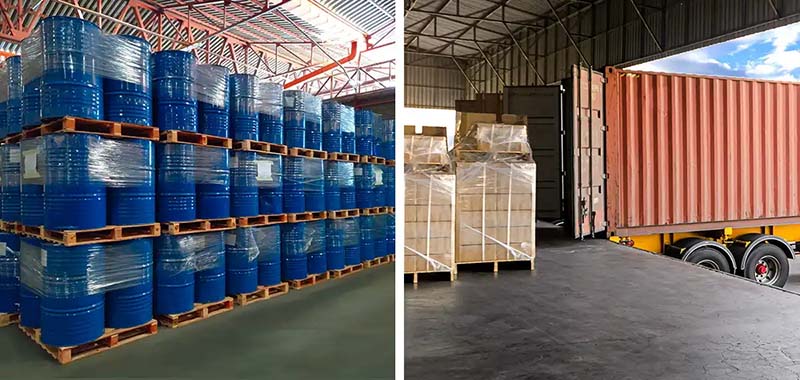
10. التسليم، الشهادة والخدمة
معلومات سلسلة التوريد
مصادر المادة الفعالة: عدة مصنعين مؤهلين حول العالم
المنتج النهائي: متوفر في قوارير بتركيز 30 ملغ/5 مل، 100 ملغ/16.7 مل، 300 ملغ/50 مل (تقليدي)؛ مسحوق مجفف بالتجميد للتركيبة المرتبطة بالألبومين
متطلبات التخزين: 15-30 درجة مئوية، يُحفظ بعيدًا عن الضوء
مدة الصلاحية: عادةً 24-36 شهرًا تحت التخزين المناسب
شهادات الجودة
شهادة التحليل (COA) مرفقة مع كل دفعة
ورقة بيانات السلامة (SDS) متوفرة بعدة لغات
وثيقة مواصفات المنتج (PS) توثق النقاء والهوية والقوة
شهادة المنشأ (COO) متاحة عند الطلب
الوثائق التنظيمية متاحة
ملف الدواء الرئيسي (DMF) متاح لمصنعي الأدوية
وثائق الامتثال لممارسات التصنيع الجيد (GMP)
بيانات الامتثال لـ REACH/TSCA
وثائق التصدير للشحن الدولي