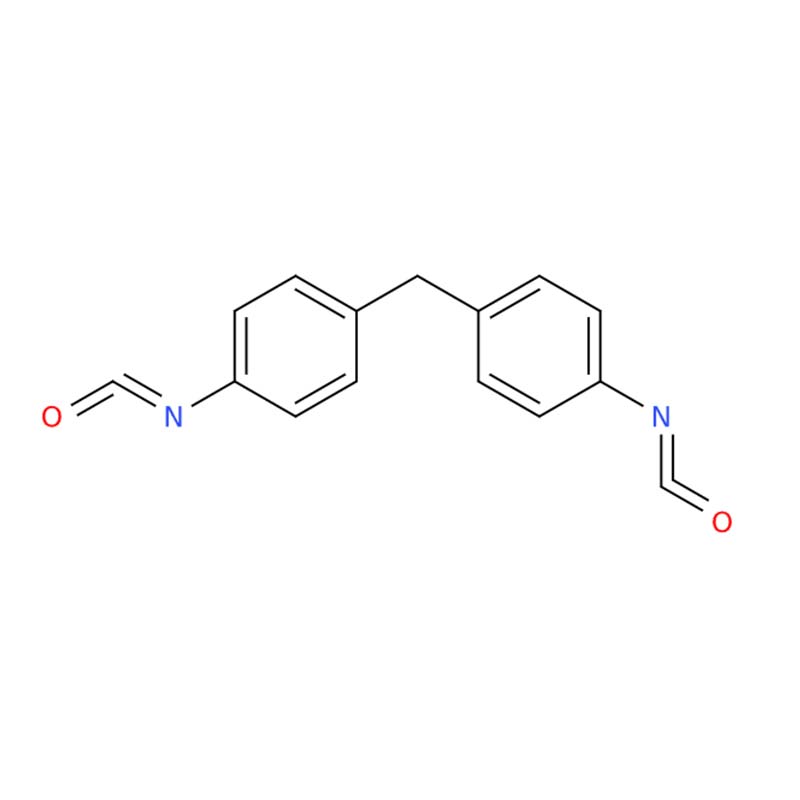
4,4'-ثنائي فينيل ميثان ثنائي إيزوسيانات CAS: 101-68-8
4,4'-ثنائي فينيل ميثانيظهر ثنائي إيزوسيانات قابلية ذوبان قوية في مجموعة واسعة من المذيبات العضوية، من بينها الأسيتون والبنزين والكيروسين والنيتروبنزين.
تساهم هذه الخاصية في توافقه العالي وتطبيقه الواسع في العديد من عمليات الإنتاج الكيميائي. يظهر عادةً كمادة صلبة منصهرة صفراء فاتحة، مما يجعله مناسبًا للتشغيل والخلط والتطبيق في مختلف مراحل الإنتاج الصناعي.
بفضل قابليته الممتازة للذوبان وخصائصه الكيميائية المستقرة، فإن هذا المركب مناسب جدًا للاستخدامات المختلفة في التخليق الكيميائي والإنتاج الصناعي.
علاوة على ذلك، فإن تطايره يسمح له بالعمل بفعالية في السيناريوهات التي تتطلب تفاعلات في الطور الغازي، بما في ذلك الطلاءات الخاصة وعمليات تعديل السطح وبعض التفاعلات الحفزية.
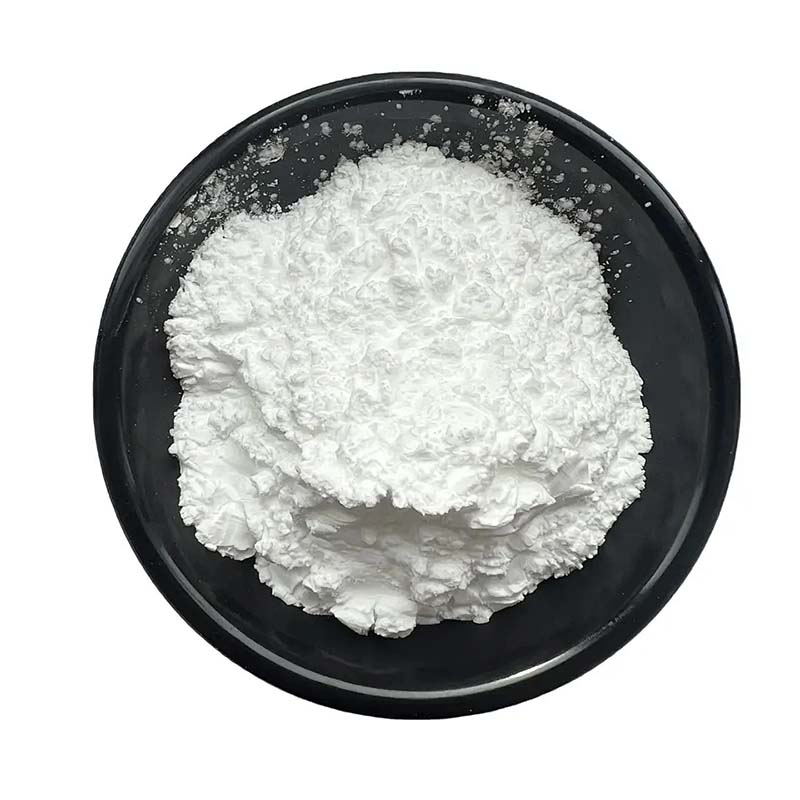
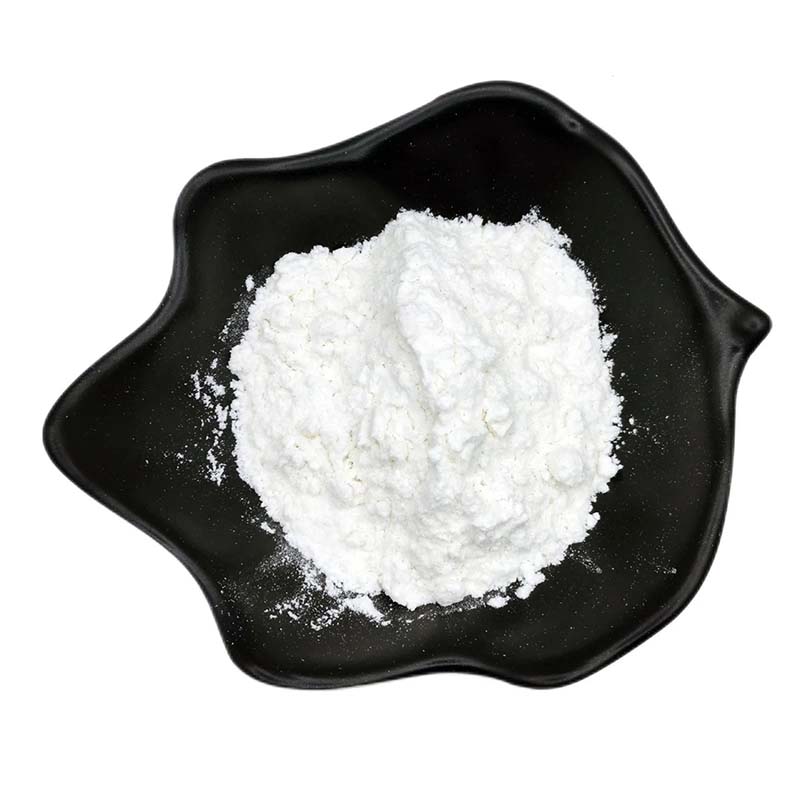
4,4'-ثنائي فينيل ميثان ثنائي إيزوسياناتيظهر كمادة صلبة منصهرة صفراء شاحبة ذات رائحة حادة ومهيجة. ينبعث منه بسهولة أبخرة قد تهيج الجهاز التنفسي إذا تم استنشاقها. يمكن لهذه المادة أن تذوب جيدًا في العديد من المذيبات العضوية بما في ذلك الأسيتون والبنزين والكيروسين والنيتروبنزين، مما يجعلها ملائمة للاستخدام في تطبيقات كيميائية مختلفة.
ومع ذلك، فهي قابلة للذوبان بشكل طفيف فقط في الماء. يجب توخي الحذر الإضافي أثناء التعامل معها بسبب تطايرها العالي والمخاطر الصحية المحتملة الناتجة عن التعرض الطويل لأبخرتها.
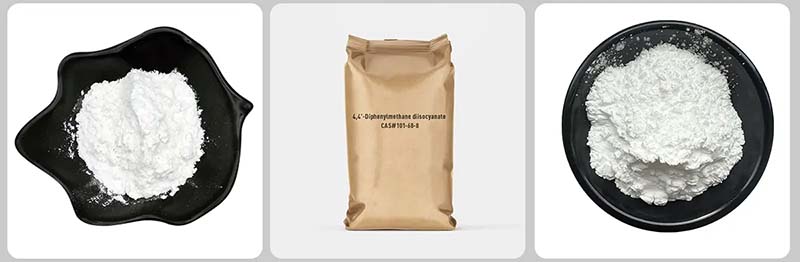
معاملات
| نقطة الانصهار | 38-44 درجة مئوية |
| نقطة الغليان | 392 درجة مئوية |
| كثافة | 1.19 |
| ضغط البخار | 0.066 هيكتوباسكال (20 درجة مئوية) |
| معامل الانكسار | 1.5906 (تقديري) |
| فب | 196 درجة مئوية |
| درجة حرارة التخزين | -20 درجة مئوية |
| الذوبان | 2 جم/لتر |
| استمارة | صلب |
| لون | الأبيض إلى الأبيض تقريبا |
| الجاذبية النوعية | 1.18 |
| حد الانفجار | 0.4%(حجم) |
| الذوبان في الماء | تتحلل |
| نقطة التجمد | 37°م |
| حساس | حساس للرطوبة/مدمع |
| بي آر إن | 797662 |
| حدود التعرض | TLV-TWA 0.051 ملغ/م³ (0.005 جزء في المليون) (ACGIH وNIOSH)؛ الحد الأقصى (الهواء) 0.204 ملغ/م³ (0.02 جزء في المليون)/10 دقائق (NIOSH وOSHA)؛ IDLH 102 ملغ/م³ (10 جزء في المليون). |
| ثابت العزل الكهربائي | 10.0 (المحيط) |
| استقرار: | مستقر. قابل للاشتعال. غير متوافق مع عوامل مؤكسدة قوية. يتفاعل بعنف مع الكحوليات. |
| مرجع قاعدة بيانات CAS | 101-68-8 (مرجع قاعدة بيانات CAS) |
| مرجع الكيمياء NIST | بنزين، 1,1'-ميثيلين بيس[4-إيزوسياناتو- (101-68-8) |
| الوكالة الدولية لبحوث السرطان | 3 (المجلد 19، الملحق 7، 71) 1999 |
| نظام تسجيل المواد الخاص بوكالة حماية البيئة (EPA). | 4,4'-ميثيلين ثنائي (فينيل إيزوسيانات) (101-68-8) |
معلومات السلامة
| رموز المخاطر | Xn,T,C |
| بيانات المخاطر | 42/43-36/37/38-20-48/20-40 |
| بيانات السلامة | 45-36/37-23 |
| ريدادر | 2206 |
| OEB | د |
| OEL | TWA: 0.05 ملغم/م³ (0.005 جزء في المليون)، الحد الأقصى: 0.2 ملغم/م³ (0.020 جزء في المليون) [لمدة 10 دقائق] |
| دبليو جي كيه ألمانيا | 1 |
| RTECS | NQ9350000 |
| درجة حرارة الاشتعال الذاتي | >600 درجة مئوية |
| ملاحظة المخاطر | سام/مسبب للتآكل/مسبب للدموع/حساس للرطوبة |
| تسكا | نعم. |
| فئة المخاطر | 6.1 |
| مجموعة التعبئة | الثاني |
| رمز النظام المنسق | 29291090 |
| بيانات المواد الخطرة | 101-68-8 (بيانات المواد الخطرة) |
| سمية | الجرعة المميتة 50 عن طريق الفم في الأرانب: > 5000 مجم/كجم، الجرعة المميتة 50 عن طريق الجلد في الأرانب > 9000 مجم/كجم |
| IDLA | 75 مجم/م³ |