كلوريد الحديديك CAS#7705-08-0
رقم CAS:7705-08-0
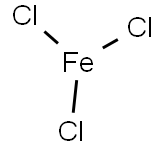
الصيغة الكيميائية:كلوريد الحديد الثلاثي
المرادفات:
مصنع كلوريد الحديديك
محلول اختبار كلوريد الحديديك (دستور الأدوية الصيني)
زهور المريخ
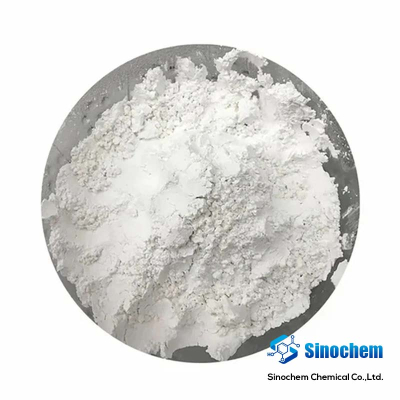
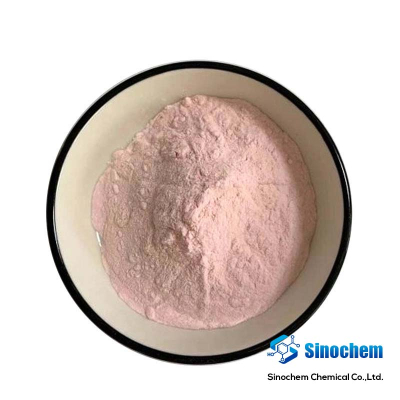
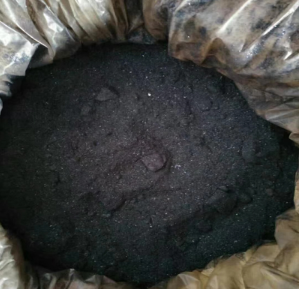
مظهر:الأبيض إلى مسحوق أصفر شاحب
موك (الحد الأدنى لكمية الطلب):1 FCL (حمولة حاوية كاملة)
كلوريد الحديديكرقم CAS#7705-08-0
كلوريد الحديديك، المحلول يظهر كمحلول مائي عديم اللون إلى بني فاتح وله رائحة خفيفة من حمض الهيدروكلوريك. شديد التآكل لمعظم المعادن وربما مسبب للتآكل للأنسجة. غير قابل للاشتعال. يُستخدم في معالجة مياه الصرف الصحي وتنقية المياه.
كلوريد الحديديك هو بلورات سداسية بنية داكنة؛ استرطابي؛ كثافته 2.898 جم/سم³؛ ينصهر عند 306 درجة مئوية؛ يتحلل عند 315 درجة مئوية؛ شديد الذوبان في الماء (74.4 جم/100 جم ماء عند 0 درجة مئوية)؛ شديد الذوبان في الكحول والإيثر والأسيتون. الشكل سداسي الهيدرات هو كتلة بلورية بنية مصفرة؛ يتحلل بالرطوبة؛ ينصهر عند 37 درجة مئوية؛ يتبخر عند حوالي 280 درجة مئوية؛ شديد الذوبان في الماء (92 جم/100 جم ماء عند 20 درجة مئوية)؛ شديد الذوبان في المذيبات العضوية مثل الإيثانول والإيثر والأسيتون.
كلوريد الحديديك (كلوريد الحديد الثلاثي، FeCl3، رقم CAS 7705-08-0) يمكن تحضيره من الحديد والكلور أو من أكسيد الحديديك وكلوريد الهيدروجين. المادة النقية توجد على شكل بلورات سداسية داكنة مسترطبة. يتكون سداسي هيدرات كلوريد الحديديك (سداسي هيدرات كلوريد الحديد الثلاثي، FeCl3·6H2O، رقم CAS 10025-77-1) بسهولة عند تعرض كلوريد الحديديك للرطوبة.
كلوريد الحديديك هو مادة صلبة برتقالية إلى بنية سوداء. كلوريد الحديديك قابل للذوبان قليلاً في الماء. كلوريد الحديديك غير قابل للاشتعال. عندما يكون رطباً، يكون كلوريد الحديديك مسبباً للتآكل للألمنيوم ومعظم المعادن. التقط وأزل المادة الصلبة المنسكبة قبل إضافة الماء. يستخدم كلوريد الحديديك لمعالجة مياه الصرف الصحي والنفايات الصناعية، وتنقية المياه، وكعامل حفر لنقش لوحات الدوائر، وفي تصنيع المواد الكيميائية الأخرى.
تطبيق كلوريد الحديديك
في المختبر، يمكن استخدام كلوريد الحديديك اللامائي (FeCl3) كبديل لكلوريد الألومنيوم اللامائي في تفاعلات فريدل-كرافتس، مثل الألكلة أو الأسيلة للحلقات العطرية. وباعتباره معدنًا صغيرًا عالي الشحنة، فإنه يستقطب الكواشف مثل هالوجين الألكانات (هاليدات الألكيل)، مما يولد كاتيونات الكربون (أيونات الكاربينيوم) التي تهاجم بعد ذلك حلقات البنزين، كما في التخليق هنا.
تمثل القائمة التالية بعضًا من أكثر تطبيقات كلوريد الحديديك شيوعًا وأكبرها:
كعامل تنقية في إمدادات المياه وكعامل تخثر في معالجة مياه الصرف الصحي البلدية والصناعية. في هذا التطبيق، يجعل التحلل المائي السريع لكلوريد الحديديك منه عاملًا مثاليًا للتخثر والترسيب. يشكل هيدروكسيد الحديديك (Fe[OH]3) الناتج كتلًا (كتل صغيرة أو خصلات) تمتص الجسيمات العالقة من مواد مختلفة (مثل الغرويات والطين والبكتيريا). ثم تُترك الكتل مع المواد الممتصة لتستقر لسهولة إزالتها. يشكل كلوريد الحديديك رواسب مع كبريتيد الهيدروجين (H2S)، والفوسفات (PO4)، والزرنيخ كزرنيخات (AsO4)، والقلوية الهيدروكسيدية (OH).
كمؤكسد في إنتاج صبغة النيلي الأزرق.
كوسيط حفر في إنتاج لوحات الدوائر المطبوعة (PCBs).
كمحفز لتفاعل الإيثيلين مع الكلور، لتكوين ثنائي كلوريد الإيثيلين (1،2-ثنائي كلورو الإيثان)، وهو مادة كيميائية سلعية مهمة، تُستخدم بشكل رئيسي في الإنتاج الصناعي لكلوريد الفينيل، المونومر لصناعة البولي فينيل كلوريد (PVC).
كلوريد الحديديك (FeCl3) يُحصل عليه بطريقة كلورة الحديد عند درجة حرارة 600–700 درجة مئوية. تتوفر بيانات محدودة جدًا حول استخدام كلوريد الحديديك في صناعة معالجة المعادن. كلوريد الحديديك له تأثير مثبط على الباريت ويمكن استخدامه في فصل الباريت-سيليستيت. كما تم تقييمه كمثبط أثناء فصل النيوبيوم-الزركونيوم. بشكل عام، مركبات الحديديك والحديدوز ليست مثبطات انتقائية وفي كثير من الحالات تكون ضارة لتعويم المعادن الأكسيدية والصناعية كما في حالة التعويم الأنيوني، الأحماض الدهنية، معقدات الحديد أو معقدات أوليات الحديد.
| الخصائص الكيميائية لكلوريد الحديديك |
| نقطة الانصهار | 304 درجة مئوية (مضاءة) |
| نقطة الغليان | 316 °م |
| الكثافة الظاهرية | 1000 كيلوغرام لكل متر مكعّب |
| كثافة | 2,804 جم/سم³3 |
| كثافة البخار | 5.61 (مقابل الهواء) |
| ضغط البخار | 1 مم زئبق (عند 194 درجة مئوية) |
| معامل الانكسار | n20/D1.414 |
| فب | 316°م |
| درجة حرارة التخزين | يجب تخزينه في درجة حرارة أعلى من +30 درجة مئوية. |
| الذوبان | ح2س: قابل للذوبان |
| استمارة | مسحوق |
| لون | أصفر |
| الجاذبية النوعية | 2.804 |
| الرقم الهيدروجيني | ١ (٢٠٠ جم/لتر، ماء، ٢٠ درجة مئوية) |
| الذوبان في الماء | ٩٢٠ جم/لتر (٢٠ درجة مئوية) |
| حساس | استرطابي |
| الهيكل البلوري | نوع BiI3 |
| نظام الكريستال | ثلاثة جوانب |
| ميرك | 14,4019 |
| مجموعة الفضاء | R3 |
| شعرية ثابتة | أ/نانومتر/ب/نانومتر/ج/نانومتر/α/درجة/β/درجة/γ/درجة/حجم/نانومتر³ ٠٫٦٠٦٠ ٠٫٦٠٦٠ ١٫٧٤١ ٩٠ ٩٠ ١٢٠ ٠٫٥٥٢٩ |
| حدود التعرض | ACGIH: TWA 1 مجم/م3 NIOSH: TWA ١ مجم/م³ |
| استقرار: | مستقر. حساس جداً للرطوبة. غير متوافق مع العوامل المؤكسدة القوية؛ يشكل مخاليط متفجرة مع الصوديوم والبوتاسيوم. استرطابي. |
| وظائف مكونات مستحضرات التجميل | قابض |
| إنتشي | 1S/3ClH.Fe/h3*1H;/q;;;+3/p-3 |
| InChIKey | RBTARNINKXHZNM-UHFFFAOYSA-K |
| ابتسامات | Cl[Fe](Cl)Cl |
| مرجع قاعدة بيانات CAS | 7705-08-0 (مرجع قاعدة بيانات CAS) |
| مرجع الكيمياء NIST | كلوريد الحديديك (7705-08-0) |
| نظام تسجيل المواد الخاص بوكالة حماية البيئة (EPA). | كلوريد الحديديك (7705-08-0) |
| معلومات السلامة |
| رموز المخاطر | C, Xn, Xi |
| بيانات المخاطر | 41-38-22-34-37/38-10-36 |
| بيانات السلامة | 26-39-45-36/37/39 |
| ريدادر | UN 1773 8/PG III (كلوريد الحديديك، لا مائي) |
| ريدادر | UN 2582 8/PG III (محلول كلوريد الحديديك) |
| دبليو جي كيه ألمانيا | 1 |
| RTECS | LJ9100000 |
| تسكا | مدرجة في قائمة TSCA |
| رمز النظام المنسق | 2827 39 20 |
| فئة المخاطر | 8 |
| مجموعة التعبئة | القسم الثالث |
| فئة التخزين | 8 ب - المواد الخطرة المسببة للتآكل وغير القابلة للاحتراق |
| تصنيفات المخاطر | التسمم الحاد… الطريقة الفموية رقم 4 تلف العين. 1 التقى. تصحيح. 1 تهيج الجلد. 2 |
| بيانات المواد الخطرة | 7705-08-0 (بيانات المواد الخطرة) |
| سمية | الجرعة المميتة 50 عن طريق الفم في الأرانب: 316 ملغم/كغم |
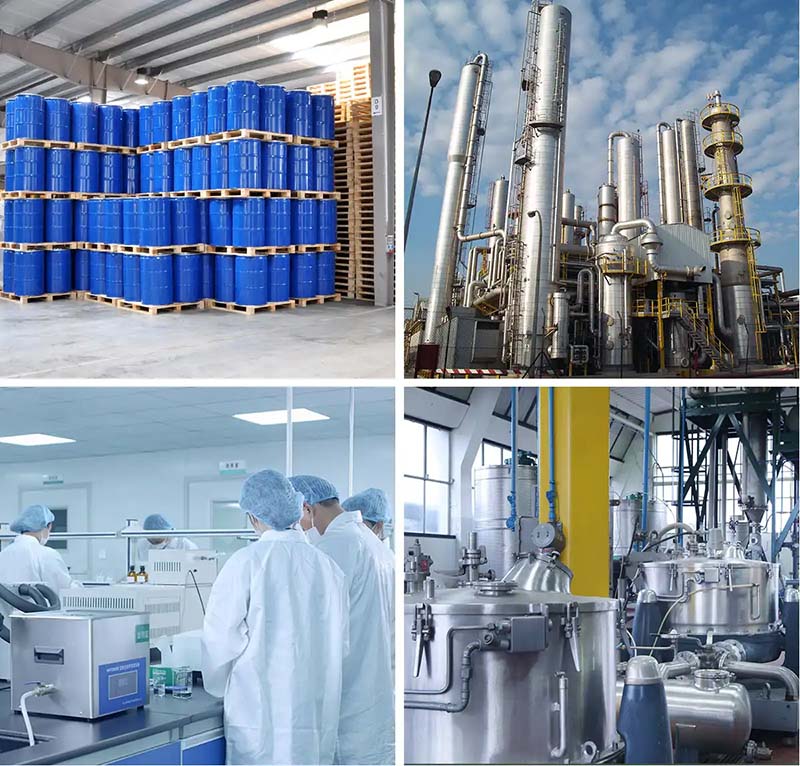
حقيقةأمر واقعمعرض ري والمعدات