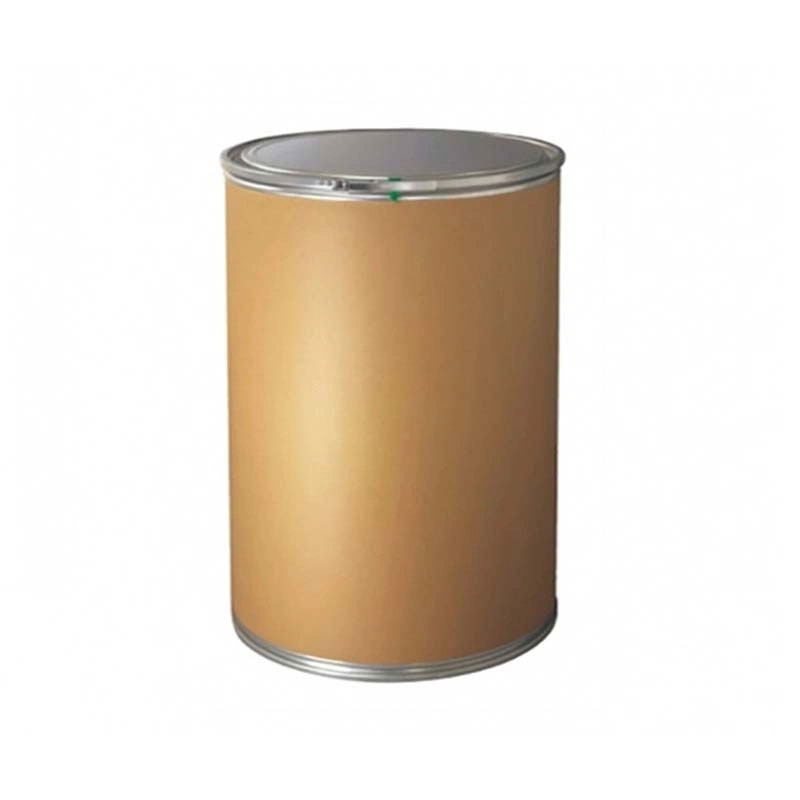
سبان60 CAS:76169-00-1
الاستحلاب والتشتيت الفعال: يوفر سبان 60 أداءً ممتازًا كمستحلب، مع خصائص استحلاب وتشتيت وترطيب رائعة في أنظمة الزيت في الماء (W/O).
توافق قوي في التركيبات: إنه متوافق بشكل كبير مع معظم المواد الخافضة للتوتر السطحي، مما يسمح باستخدامه على نطاق واسع في تركيبات مختلفة عبر الصناعات المختلفة.
أداء محسّن لمعالجة الألياف: يُستخدم كعامل مضاد للكهرباء الساكنة ومنعم، مما يعزز بشكل فعال أداء المعالجة وخصائص التآكل لألياف الأكريليك.
تطبيقات صناعية واسعة: يُستخدم سبان 60 على نطاق واسع في الأغذية والأدوية والكيماويات الزراعية والطلاءات والبلاستيك ومستحضرات التجميل، مما يساعد على تحسين استقرار المنتج وأدائه العام.
1. نظرة عامة على المنتج
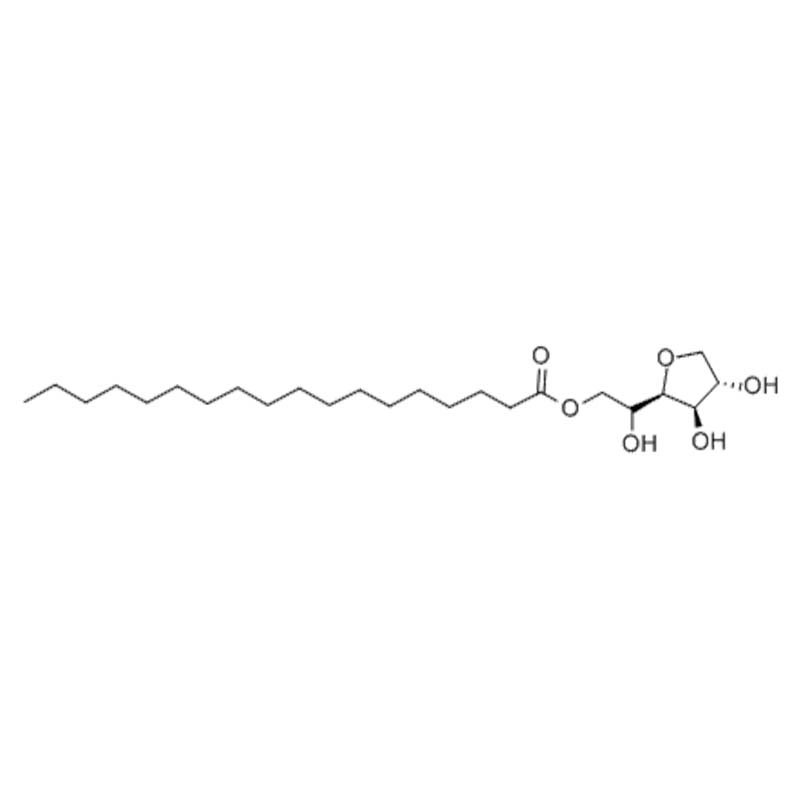
سبان® 60، المعروف أيضًا باسم سوربيتان مونوستيارات، هو مادة خافضة للتوتر السطحي غير أيونية محبة للدهون تنتمي إلى سلسلة منتجات إسترات السوربيتان. يتم إنتاجه من خلال تفاعل الأسترة بين السوربيتول ومشتقاته اللانهيدريدية مع حمض الستياريك، مكونًا خليطًا مركبًا من سوربيتان ستيارات جزئي وإستراته الأحادية والثنائية اللانهيدريدية.
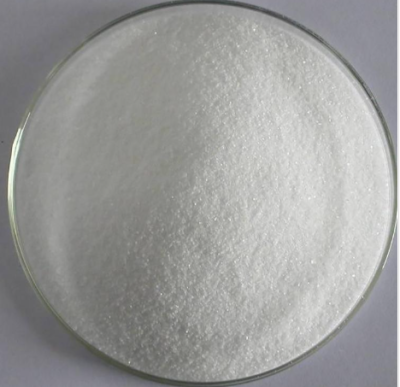
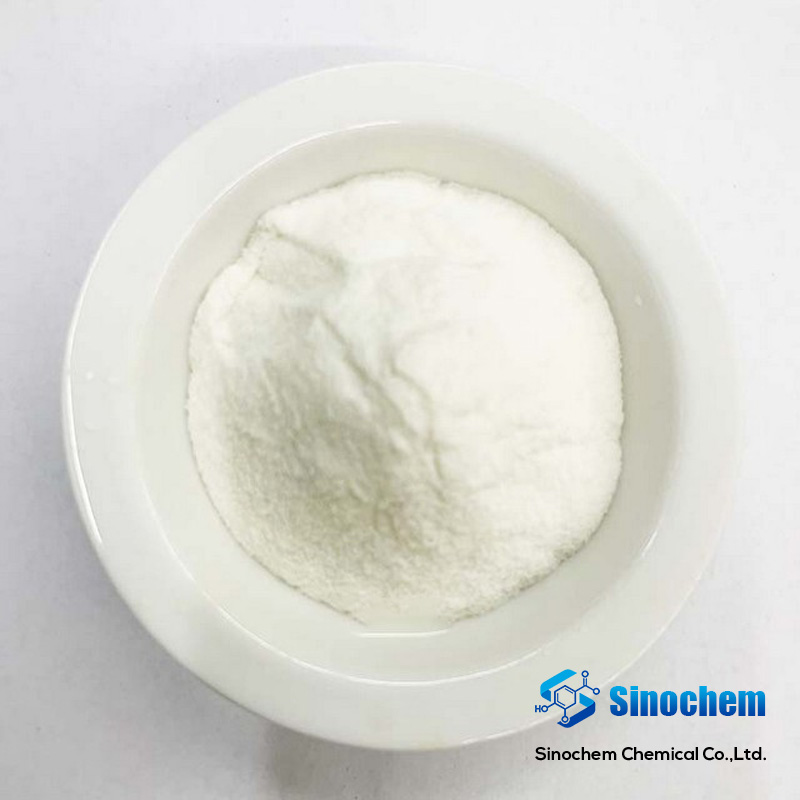
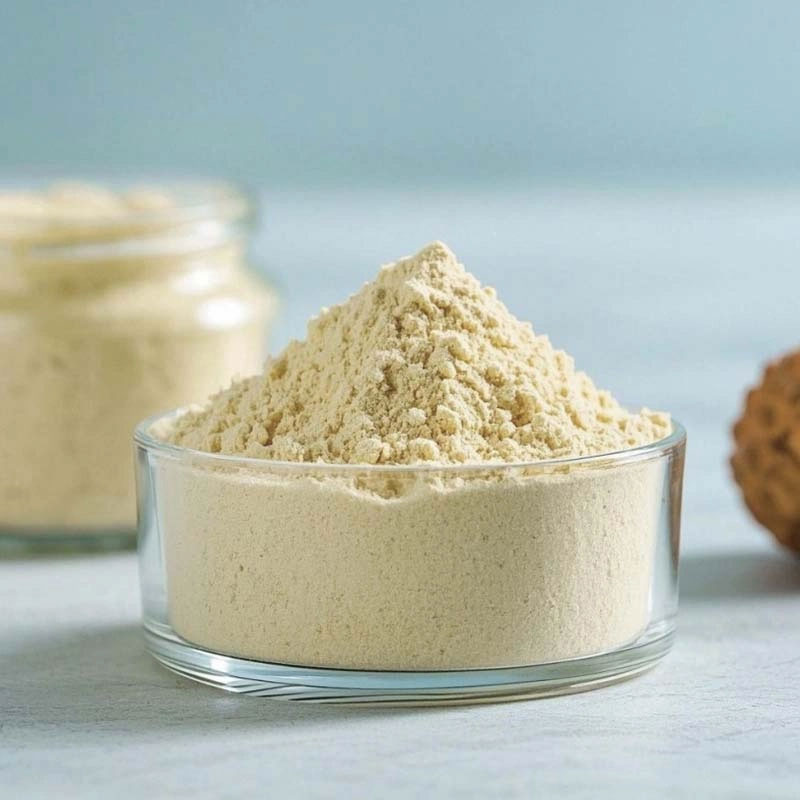
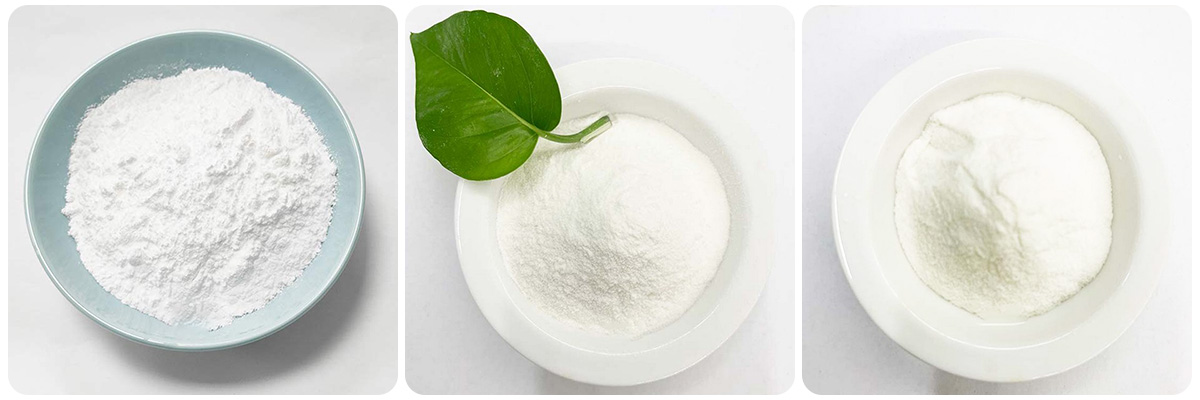
بصيغة جزيئية C₂₄H₄₆O₆ ورقم CAS 1338-41-6 ووزن جزيئي يبلغ حوالي 430.62 غ/مول، يظهر سبان 60 عادةً كمادة صلبة شمعية بنية فاتحة أو كريمية أو صفراء مائلة للبياض، ويمكن توفيره على شكل حبيبات أو رقائق أو مسحوق برائحة دهنية خفيفة. كمستحلب محب للدهون بقيمة HLB منخفضة تبلغ 4.7، يُستخدم سبان 60 بشكل أساسي لتثبيت أنظمة المستحلبات من نوع الماء في الزيت (W/O) ويعمل أيضًا كمادة مضافة فعالة لتعزيز البنية.
بفضل قدرته الواسعة على التكيف، وخصائصه المعتدلة، وتوافقه الجيد مع المواد الخافضة للتوتر السطحي الأخرى، أصبح مادة خام لا غنى عنها في تطبيقات الأغذية والأدوية ومستحضرات التجميل والصناعات. في صناعة الأغذية، يُستخدم هذا المكون قانونيًا كمادة مضافة غذائية تحت الرمز E491. أما المنتج ذو الدرجة الصيدلانية، فهو مسجل في دساتير الأدوية الرئيسية ومعتمد للاستخدام في المستحضرات الموضعية والتركيبات الفموية.
2. الميزات الرئيسية
قيمة HLB المثالية (4.7): نظرًا لقيمة التوازن المحب للماء والدهون المنخفضة، يعمل سبان 60 كمستحلب رئيسي لتثبيت المستحلبات المائية في الزيت (W/O). كما يعمل بفعالية كمستحلب مساعد عند مزجه مع مواد خافضة للتوتر السطحي ذات قيمة HLB عالية مثل سلسلة توين، مما يساعد في تكوين أنظمة زيت في الماء (O/W) مستقرة.
تأثير تكثيف وبناء قوي: كمادة صلبة شمعية تتراوح درجة انصهارها من 49 درجة مئوية إلى 65 درجة مئوية، فإنها تضيف قوامًا ولزوجة وصلابة للكريمات والمستحضرات والمنتجات الصلبة. يشكل هيكلها البلوري شبكة مستقرة تعمل على تكثيف التركيبات وتحسين الاستقرار العام.
تهوية فائقة واستقرار الرغوة: في إنتاج الأغذية، وخاصة في طبقات الكريمة المخفوقة ومنتجات المخابز، يعمل سبان 60 على تثبيت فقاعات الهواء بشكل فعال، مما يعزز حجم المنتج وقوامه وملمسه الفموي.
معتمد على نطاق واسع من قبل اللوائح العالمية: سبان 60 مقبول دوليًا كمادة مضافة غذائية آمنة E491. وفقًا للوائح هيئة سلامة الأغذية الأوروبية، تم تحديد الجرعة اليومية المقبولة الجماعية لإسترات السوربيتان عند 10 ملغ/كغ من وزن الجسم يوميًا محسوبة كسوربيتان. تلبي المنتجات من الدرجة الصيدلانية بالكامل متطلبات دستور الأدوية الأمريكي/الوطني ودستور الأدوية الأوروبي.
تركيبة لطيفة وآمنة للبشرة: تتميز بتهيج جلدي منخفض وسمية منخفضة، مما يجعلها مناسبة جدًا لمنتجات العناية الشخصية ومستحضرات التجميل المصممة للبشرة الحساسة.
توافق ممتاز مع المكونات الأخرى: يمكن مزجه مع المواد الخافضة للتوتر السطحي الأنيونية والكاتيونية وغير الأيونية الأخرى لتحقيق تأثيرات تآزرية. يعطي المزيج مع بولي سوربات مثل توين 60 نتائج بارزة بشكل خاص.
خصائص ذوبان مرنة: يذوب سبان 60 في الزيوت والإيثانول والمذيبات العضوية المختلفة. على الرغم من عدم قابليته للذوبان في الماء، إلا أنه ينتشر جيدًا في الأنظمة المائية، مما يعكس خصائصه المحبة للدهون النموذجية.
3. المواصفات الفنية مع الشروحات
| معلمة | القيمة/المواصفة النموذجية | الوصف والأهمية |
| رقم كاس | 1338-41-6 | معرّف كيميائي عالمي لمونوستيرات السوربيتان. |
| الصيغة الجزيئية | C₂₄H₄₆O₆ | يمثل بنية إستر السوربيتان. |
| الوزن الجزيئي | 430.62 غ/مول | يُستخدم للحسابات المتكافئة وللتحويل بين مكافئات إستر السوربيتان والسوربيتان. |
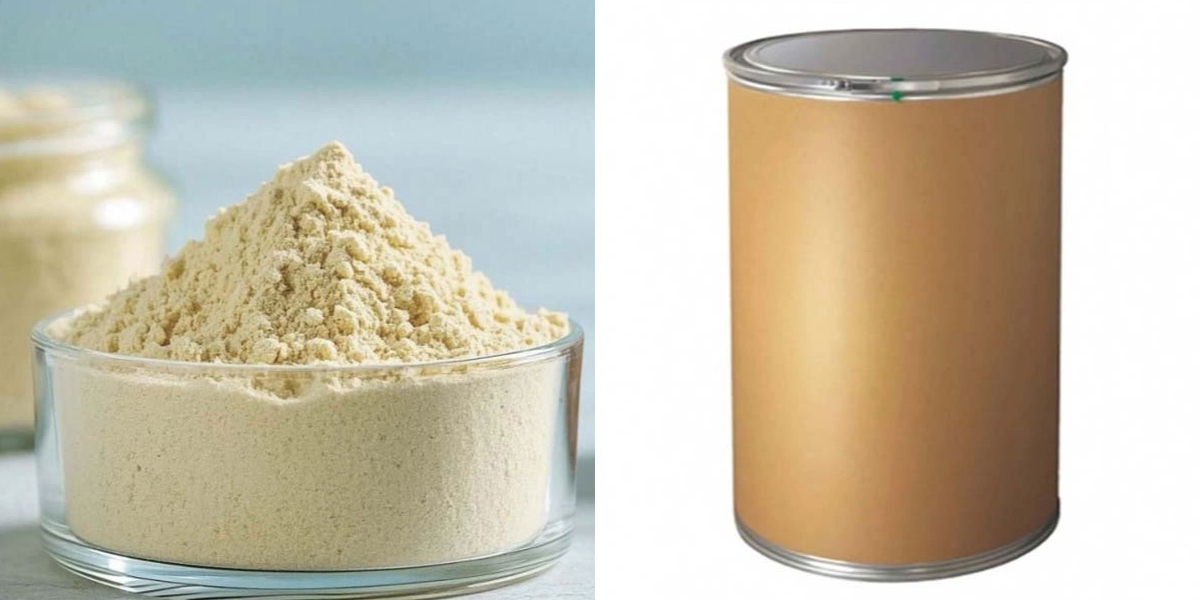
| المظهر | مادة صلبة شمعية بلون أسمر أو كريمي أو أصفر باهت أو أبيض مائل للصفرة (خرز أو رقائق أو مسحوق). | مؤشر الجودة البصرية؛ قد يختلف اللون قليلاً حسب الدرجة ومصدر التصنيع. |
| رائحة | رائحة دهنية خفيفة ومعتدلة | خاصية حسية حاسمة للتطبيقات في مستحضرات التجميل والغذاء. |
| قيمة HLB | 4.7 | معامل وظيفي أساسي. يشير إلى طابع محب للدهون قوي، مثالي للمستحلبات من نوع الماء في الزيت وبناء الهيكل. |
| نقطة الانصهار | 49 – 65 درجة مئوية | نطاق مميز؛ النطاق الأضيق يشير إلى نقاء أعلى. ضروري لمعايير المعالجة. |
| قيمة الحمض | 5 – 11 ملغ KOH/غ | يقيس محتوى الأحماض الدهنية الحرة. القيمة المنخفضة تشير إلى الأسترة الكاملة وتمنع التزنخ. |
| رقم التصبن | 140 – 157 ملغ KOH/غ | يتحقق من متوسط الوزن الجزيئي ومحتوى الإستر الكلي. الاتساق يضمن خصائص استحلاب قابلة للتنبؤ. |
| قيمة الهيدروكسيل | 230 – 260 مجم KOH/جم | يضمن النسبة الصحيحة للمجموعات المحبة للماء؛ ضروري للحفاظ على قيمة HLB ثابتة. |
| كثافة | 0.98 – 1.03 جم/سم³ | أقل كثافة قليلاً من الماء؛ يُستخدم لتحويلات الحجم إلى الوزن. |
| نقطة الوميض | > 110 درجة مئوية | نقطة الوميض العالية تشير إلى انخفاض خطر الحريق أثناء التخزين والمناولة. |
| المعادن الثقيلة (كرصاص) | ≤ 0.001% (10 جزء في المليون) | معلمة سلامة حرجة تضمن الامتثال للوائح الغذاء والدواء. |
| الرماد الكبريتي | ≤ 0.5% | يقيس محتوى الشوائب غير العضوية؛ القيمة المنخفضة تشير إلى نقاء عالٍ. |
| الذوبان | الزيوت/الإيثانول: قابل للذوبان | معلمة تركيبية حرجة. يحدد ملف الذوبان استخدامه في الأطوار الزيتية وكعامل استحلاب ماء/زيت. |
| الماء: غير قابل للذوبان لكن قابل للتشتت. | ||
| الأسيتون/الهكسان: غير قابل للذوبان. | ||
| درجة حرارة التخزين | درجة حرارة الغرفة (RT)، بارد وجاف. | يُخزَّن في حاويات محكمة الإغلاق، بعيدًا عن الضوء والرطوبة. |
4. دليل الشراء والاختيار
اختر حسب مجال التطبيق
لمصنعي الأغذية اختر سبان 60 المطابق لمعايير E491. تحقق من الامتثال للوائح الإقليمية بما في ذلك FDA 21 CFR ولائحة الاتحاد الأوروبي 1333/2008. اطلب شهادة التحليل للتحقق من قيمة الحموضة، قيمة التصبن ومحتوى المعادن الثقيلة أقل من 10 جزء في المليون. اتبع حدود الإضافة القصوى المسموح بها، مثل 10,000 ملغم/كغم في منتجات المخابز الفاخرة. يُستخدم بشكل رئيسي في حماية الخميرة الجافة، المخبوزات، الحلويات وبدائل الألبان.
لمصنّعي المستحضرات الصيدلانية استخدم سبان 60 من الدرجة الصيدلانية وفقًا لمعايير دستور الأدوية الأمريكي (USP/NF) أو دستور الأدوية الأوروبي (Ph. Eur.). احصل على ملفات DMF وشهادات الإنتاج وفقًا لممارسات التصنيع الجيد (cGMP). الجرعة الموصى بها في المستحضرات الخارجية تتراوح بين 0.5% و 5%. تأكد من التوافق مع المواد الفعالة الدوائية والسواغات الأخرى. يُستخدم على نطاق واسع في الكريمات والمراهم الخارجية والمستحضرات الصلبة الفموية. لمُصمّمي مستحضرات التجميل اختر درجة مستحضرات التجميل أو درجة عالية النقاء مع تحكم صارم في اللون والرائحة. استخدمه كعامل استحلاب رئيسي بنسبة 1–5% في أنظمة المستحلبات من نوع الماء في الزيت. امزجه مع تween 60 لضبط قيمة HLB وتعزيز ثبات تركيبات الزيت في الماء. يُستخدم بشكل شائع في الكريمات والمستحضرات السائلة وأحمر الشفاه وكريمات الأساس وبلسم الشعر.
للمستخدمين الصناعيين اختر سبان 60 من الدرجة التقنية لاستخدامه في معالجة المنسوجات والمبيدات الحشرية والطلاءات الصناعية. اختر الشكل الفيزيائي مثل الحبيبات أو الرقائق وفقًا لاحتياجات التغذية والذوبان.
**الشكل الفيزيائي**: الخرز والرقائق خالية من الغبار وأسهل في التشغيل، بينما المسحوق مناسب للخلط المباشر.
**مطابقة HLB**: احسب HLB المطلوب للطور الزيتي، واخلط سبان 60 (HLB 4.7) مع مواد خافضة للتوتر السطحي عالية HLB مثل توين 60 (HLB 14.9) لتلبية احتياجات التركيبة.
**الامتثال التنظيمي**: تأكد من أن درجة المنتج معتمدة للسوق المستهدف ومنطقة التطبيق.
**الذوبانية**: سبان 60 قابل للذوبان في الزيت ويجب إذابته في الطور الزيتي تحت التسخين أثناء التحضير.
تطبيق سبان 60
يستخدم جليكومول (R) S KFG (سبان 60) كمستحلب للمخبوزات، والثلج والحشوات، والطبقات المخفوقة. كما يستخدم كمساعد لإعادة الترطيب (إنتاج الخميرة الجافة النشطة) وكمادة نكهة اصطناعية ومواد مساعدة.
له رائحة ضعيفة جدًا، زيتية شمعية، وطعم مر في التركيزات الأعلى من 1000 جزء في المليون. ومع ذلك، فإن عدم قابليته للذوبان في الماء، وحقيقة أنه يُستخدم غالبًا مع كميات كبيرة من السكر (والحمض) يفسر مستوى الاستخدام الأعلى بكثير دون أي تأثير خطير على نكهة المنتج النهائي.
![1,5,7-تريازابيسيكلو[4.4.0]ديك-5-إين #كاس5807-14-7](https://futiancdn.huazhi.cloud/cdn/ff/hnzj4q3HFH2F6vjyN_mc8vmTv1fhjVopQNWWBEkVnKU/1780559987/public/styles/chanp/public/2026-06/ScreenShot_2026-06-04_144653_731.png?itok=BwAJl4lo)