حمض الأوليك CAS: 112-80-1
طبيعي وفير ومشتق من النباتات:باعتباره أحد أكثر الأحماض الدهنية غير المشبعة انتشارًا في الطبيعة، يُستخلص بشكل رئيسي من مواد نباتية خام مثل زيت عباد الشمس وزيت الزيتون، مما يوفر مادة أساسية متجددة ومتوافقة حيويًا.
قابلية ذوبان واستحلاب متعددة:يمكن إذابته بالكامل في المذيبات العضوية الشائعة مثل الإيثانول والإيثر والأسيتون وثنائي ميثيل سلفوكسيد. بفضل محبته القوية للدهون (HLB ≈ 1)، يمكن استخدامه بكفاءة كمستحلب ومزلق وناقل وظيفي.
استقرار واسع في التطبيقات:يحافظ على حالته السائلة على نطاق واسع من درجات الحرارة، مع نقطة انصهار تبلغ حوالي 14 درجة مئوية ونقطة غليان تبلغ 360 درجة مئوية. كما يُظهر استقرارًا ممتازًا عند التخزين المناسب في درجة حرارة -20 درجة مئوية، مما يجعله قابلاً للتكيف مع سيناريوهات صناعية متنوعة.
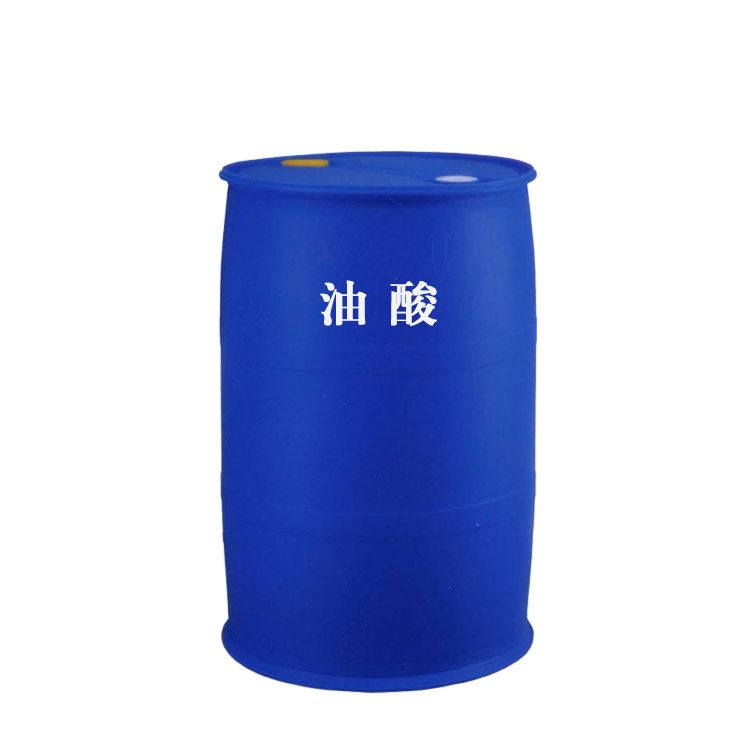
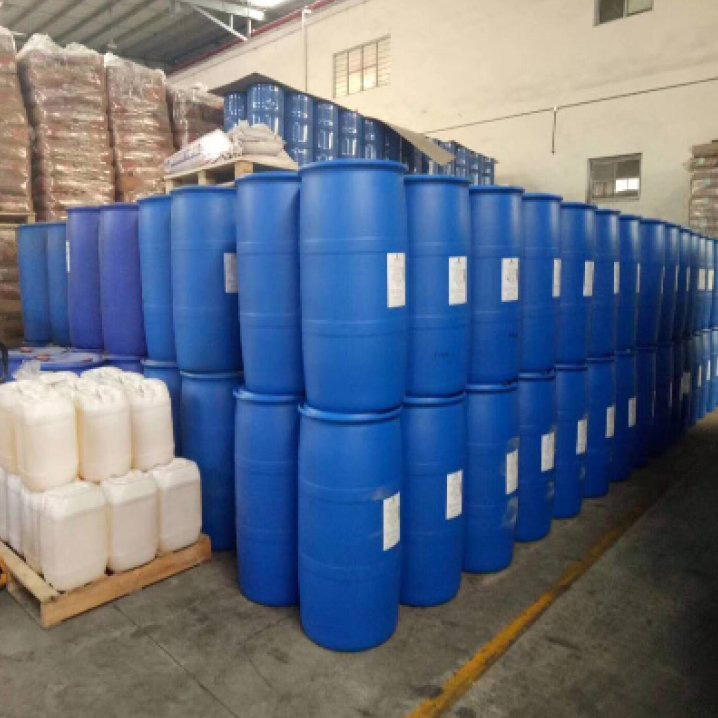
درجة تجارية متاحة:يتم توفيره بدرجات تجارية قياسية تحتوي على محتوى مضبوط من الأحماض الدهنية المشبعة وغير المشبعة الأخرى، ويمكن توفيره بكميات كبيرة بحد أدنى للطلب حاوية كاملة واحدة، مما يضمن إمدادًا مستقرًا ومستمرًا للإنتاج الصناعي.
نظرة عامة أساسية على المنتج:
حمض الأوليك هو حمض دهني أحادي غير مشبع من نوع أوميغا-9، يتميز بوجود رابطة مزدوجة بين ذرتي كربون بتكوين سي في بنيته الجزيئية. بصفته المكون الأساسي للأولين، يُعد أكثر الأحماض الدهنية غير المشبعة شيوعًا في الطبيعة. يتم عزله عادةً من خلال التحلل المائي أو التصبن للدهون الحيوانية والنباتية، وصيغته الكيميائية هي $\mathrm{CH_3(CH_2)_7CH=CH(CH_2)_7COOH}$.
التواجد الطبيعي والمصادر:
يتواجد حمض الأوليك طبيعيًا على شكل جليسريدات في مجموعة واسعة من الزيوت النباتية (بما في ذلك زيت الزيتون وزيت النخيل) وكذلك الدهون الحيوانية (مثل شحم الخنزير)، مما يجعله مكونًا رئيسيًا لهذه المواد الدهنية. يحتوي حمض الأوليك المتوفر تجاريًا عادةً على 7–12% من الأحماض الدهنية المشبعة، وأبرزها حمض البالمتيك وحمض الستياريك، بالإضافة إلى كميات ضئيلة من الأحماض الدهنية غير المشبعة الأخرى مثل حمض اللينوليك.
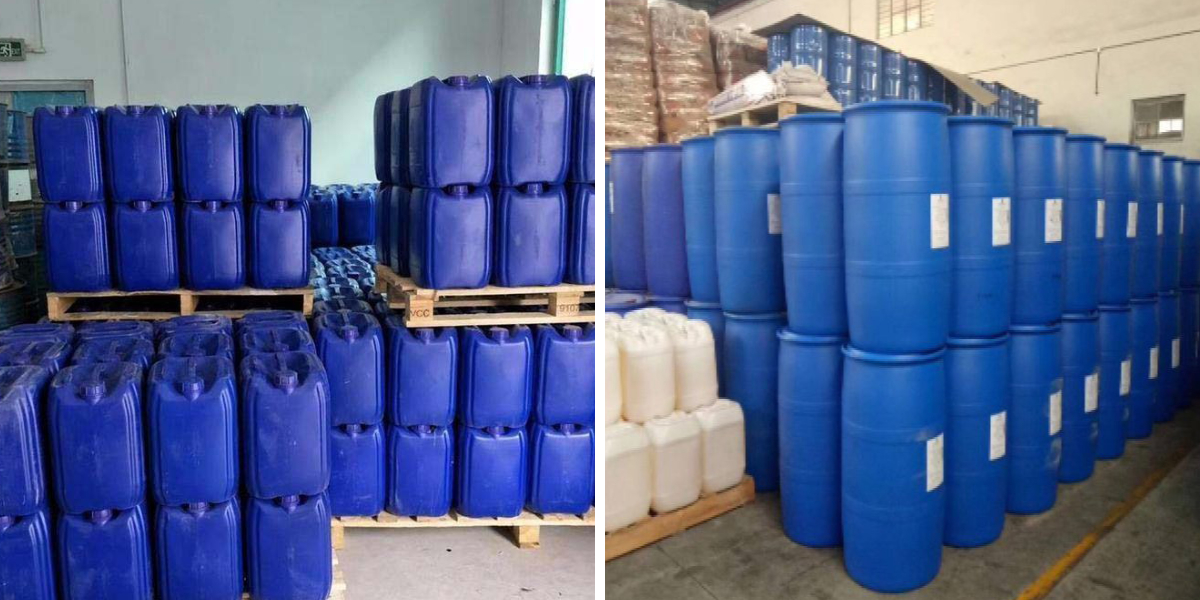
تطبيق حمض الأوليك
حمض الأوليك (112-80-1)، المُعرف كعامل معالجة في GB 2760-96، له استخدامات متعددة. يمكن أن يعمل كمادة مضادة للرغوة، وعطر، ومادة رابطة، ومزلق. وهو مفيد لتصنيع الصابون والمراهم وعوامل التعويم. وهو مذيب ممتاز للأحماض الدهنية والمواد القابلة للذوبان في الزيوت. بالإضافة إلى ذلك، يمكن استخدام حمض الأوليك لتلميع الذهب والفضة والمعادن الثمينة الأخرى. وهو أيضًا مادة خام رئيسية لإنتاج إستر حمض الأوليك المؤكسد، والملدنات، وحمض الأزيلايك. يُستخدم حمض الأوليك أيضًا كمساعد في الطباعة والصباغة، ومذيب صناعي، وفي صناعة معالجة السكر. وهو كاشف كيميائي يُستخدم في الأبحاث الكيميائية الحيوية ويمكنه تنشيط بروتين كيناز سي في خلايا الكبد. منتجات الأوليات هي مشتقات مهمة لحمض الأوليك ويُستخدم على نطاق واسع في مختلف الصناعات.
معاملات
| نقطة الانصهار | 13-14 درجة مئوية (مضاءة) |
| نقطة الغليان | 360 درجة مئوية |
| كثافة | 0.89 جم/مل عند 25 درجة مئوية (مضاءة) |
| كثافة البخار | 1.03 (مقابل الهواء) |
| ضغط البخار | 52 مم زئبق (37 درجة مئوية) |
| معامل الانكسار | n20/D1.377 |
| الوكالة الفيدرالية لإدارة الطوارئ (FEMA). | 2815 | حمض الأوليك |
| فب | 133 درجة فهرنهايت |
| درجة حرارة التخزين | -20 درجة مئوية |
| الذوبان | قابل للامتزاج مع الإيثانول، الإيثر، الأسيتون، الكلوروفورم، ثنائي ميثيل فورماميد وثنائي ميثيل سلفوكسيد |
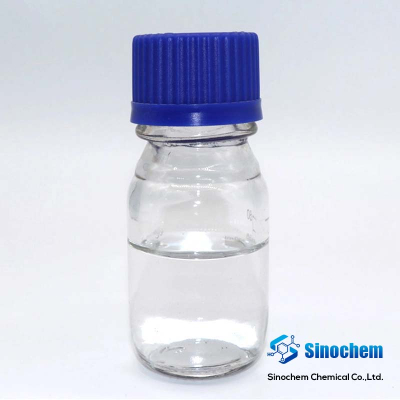
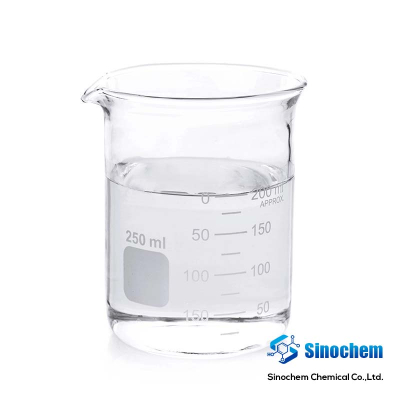
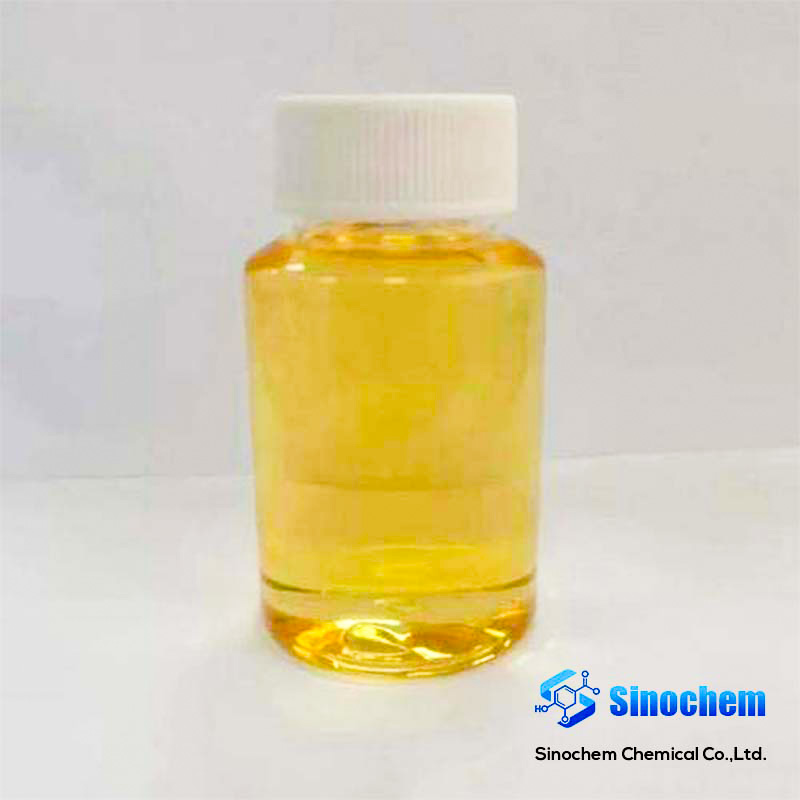
| استمارة | سائل |
| pka | pKa 5.35 (H2O، t =25) (غير مؤكد) |
| الجاذبية النوعية | 0.892 (20/4 درجة مئوية) |
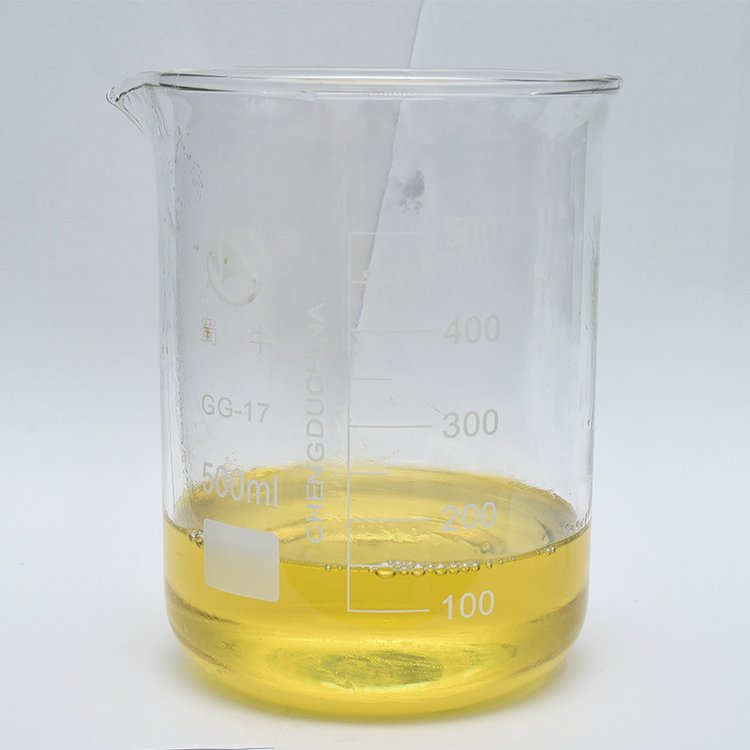
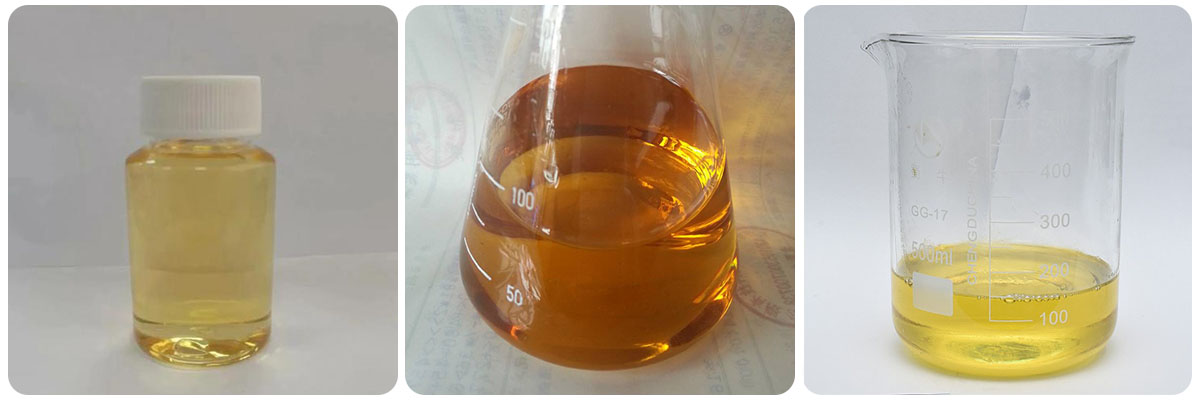
| لون | عديم اللون إلى أصفر شاحب |
| رائحة | رائحة دهنية مميزة تشبه الشحم |
| نوع الرائحة | الدهنية |
| مصدر بيولوجي | نباتي (عباد الشمس) |
| الذوبان في الماء | تافه للغاية |
| حساس | حساسة للهواء |
| ميرك | 146,828 |
| رقم لجنة الخبراء المشتركة | 333 |
| بي آر إن | 1726542 |
| توازن الخصائص الهيدروفيلية والليبوفيلية (HLB) | 1 |
| ثابت العزل الكهربائي | 2.5 (20 درجة مئوية) |
| استقرار: | مستقر. قابل للاشتعال. غير متوافق مع العوامل المؤكسدة القوية، الألومنيوم. |
| InChIKey | ZQPPMHVWECSIRJ-KTKRTIGZSA-N |
| سجلP | 7.698 (تقديري) |
| مرجع قاعدة بيانات CAS | 112-80-1 (مرجع قاعدة بيانات CAS) |
| مرجع الكيمياء NIST | حمض 9-أوكتاديسينويك (Z)-(112-80-1) |
| نظام تسجيل المواد الخاص بوكالة حماية البيئة (EPA). | حمض الأوليك (112-80-1) |
معلومات السلامة
رموز المخاطر |
تي، شي |
بيانات المخاطر |
23/24/25-34-40-43-36/37/38-38 |
بيانات السلامة |
36/37-37/39-26-36-36/37/39 |
ريدادر |
UN 1198 3/PG 3 |
دبليو جي كيه ألمانيا |
2 |
RTECS |
LP8925000 |
ف |
10 |
درجة حرارة الاشتعال الذاتي |
363°مئوية |
تسكا |
نعم. |
رمز النظام المنسق |
29161500 |
بيانات المواد الخطرة |
112-80-1 (بيانات المواد الخطرة) |
سمية |
الجرعة المميتة 50 عن طريق الوريد في الفئران: 230±18 ملغم/كغم (أو، ريتليند) |