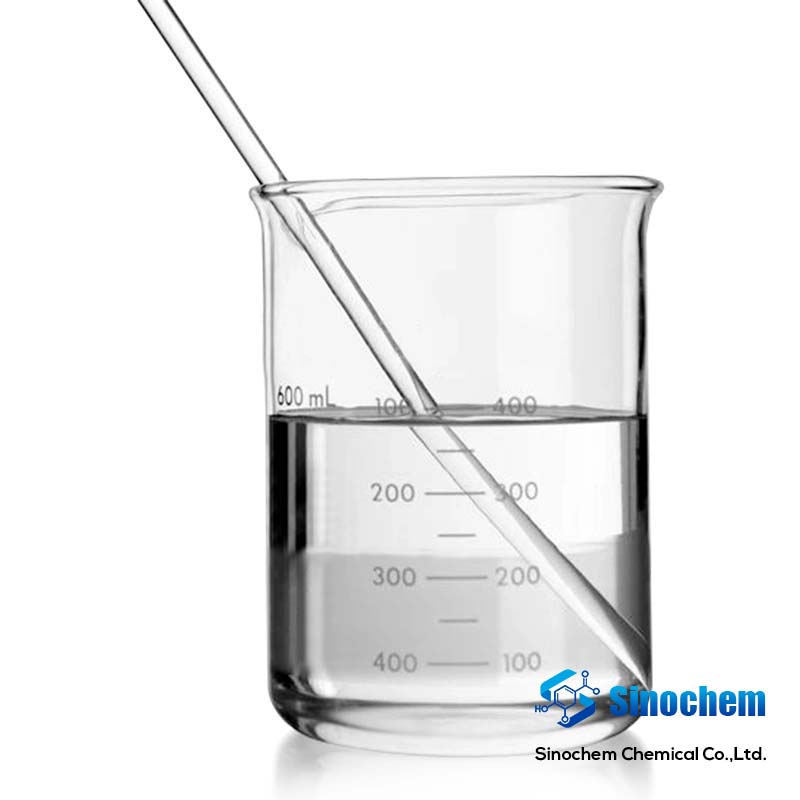
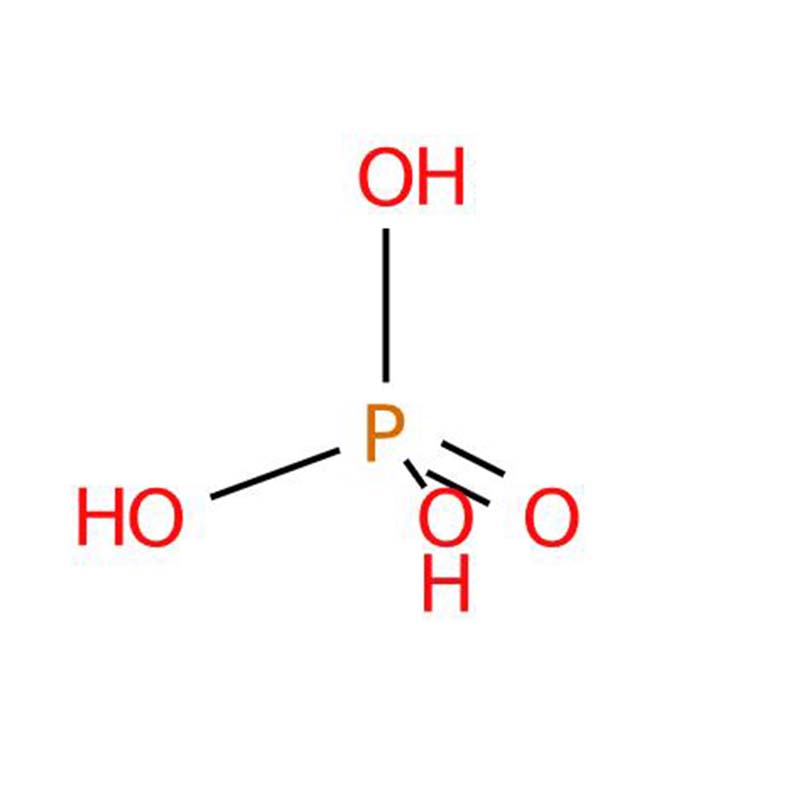
حمض الفوسفوريك (درجة غذائية) CAS: 7664-38-2
عامل حمضي متعدد الاستخدامات:يوفر ضبطًا دقيقًا لدرجة الحموضة في أنظمة الأغذية مثل المشروبات الغازية ومنتجات الألبان.
نقاوة عالية وأمان:يتوافق مع معايير الغذاء الصارمة FDA/GB ويحتوي على شوائب معدنية ثقيلة ضئيلة.
تعقيم فعال:بتركيز 10-15%، يوفر تنظيفًا وتعقيمًا قويًا لمعدات تجهيز الأغذية.
لزوجة مضبوطة:القوام الشرابي لمحلوله بنسبة 85% يضمن جرعات دقيقة في تحضير الأغذية الصناعية.
فائدة عبر الصناعات:قابل للتطبيق في معالجة الأسطح المعدنية، وتصنيع الإلكترونيات، والتخليق الكيميائي المتخصص.
حمض الفوسفوريك (H₃PO₄) – الملف الفيزيائي-الكيميائي
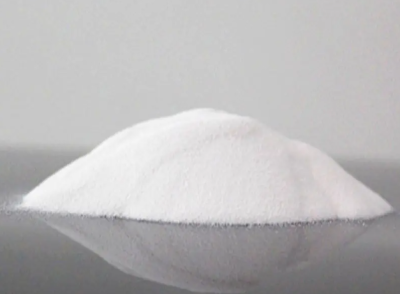
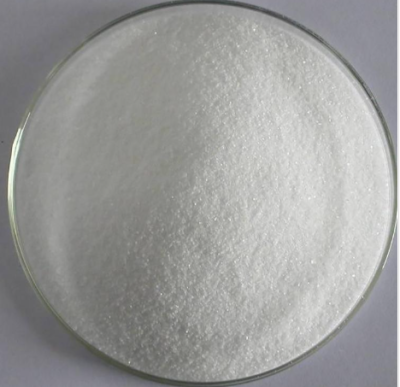
في حالته النقية – المعروف عادة باسم حمض الأورثوفوسفوريك – يظهر على شكل سائل لزج عديم اللون أو صلب بلوري معيني قائم شفاف، عديم الرائحة، ذو طعم حمضي حاد. الدرجة التجارية القياسية هي محلول مائي بنسبة 85%، وهو سائل شفاف، لزج قليلاً، يشبه الشراب.
البيانات الفيزيائية الرئيسية: الحمض النقي ينصهر عند 42.35 درجة مئوية بكثافة نسبية 1.834؛ المحلول بنسبة 85% له ثقل نوعي حوالي 1.70، وهو حمض غير متطاير، عالي الغليان.
الذوبان: قابل للامتزاج تماماً مع الماء بجميع النسب وقابل للذوبان بسهولة في الإيثانول.
التحول الحراري: عند التسخين إلى 213 درجة مئوية، يخضع لجفاف جزئي ليتحول إلى حمض البيروفوسفوريك؛ والتسخين الإضافي إلى حوالي 300 درجة مئوية يحوله إلى حمض الميتافوسفوريك.
حمض الفوسفوريك (H₃PO₄) – المواصفات الفنية
| معلمة | قيمة |
|---|---|
| نقطة الانصهار (نقي) | 42.35 درجة مئوية |
| نقطة الغليان | 158 درجة مئوية (تحلل) |
| الكثافة (25 درجة مئوية، نقي) | 1.834 جم/سم³ |
| اللزوجة (محلول 85%، 25 درجة مئوية) | 147 سنتي بواز |
| ثوابت الحموضة | pKa₁ = 2.14، pKa₂ = 7.20، pKa₃ = 12.67 |
| معامل الانكسار (85%) | 1.342 |
| التحلل الحراري | 213 درجة مئوية → حمض البيروفوسفوريك، 300 درجة مئوية → حمض الميتافوسفوريك |
| معلومات السلامة |
| رموز المخاطر | سي، إكس إن، تي، إف |
| بيانات المخاطر | 34-35-22-39/23/24/25-36/38-23/24/25-11 |
| بيانات السلامة | 7-16-26-36/37-45-36/37/39-1/2-24/25 |
| OEB | ج |
| OEL | TWA: 1 ملغم/م³، STEL: 3 ملغم/م³ |
| ريدادر | UN 1805 8/PG III (حمض الفوسفوريك، محلول) |
| ريدادر | UN 3453 8/PG III (حمض الفوسفوريك، صلب) |
| دبليو جي كيه ألمانيا | 3 |
| RTECS | TB6300000 |
| ف | 3-10 |
| تسكا | مدرجة في قائمة TSCA |
| رمز النظام المنسق | 2809 20 00 |
| فئة المخاطر | 8 |
| مجموعة التعبئة | القسم الثالث |
| فئة التخزين | 8أ – المواد الخطرة القابلة للاشتعال والمسببة للتآكل |
| تصنيفات المخاطر | التسمم الحاد… الطريقة الفموية رقم 4 تلف العين. 1 التقى. تصحيح. 1 تغيرات في الجلد 1B |
| بيانات المواد الخطرة | 7664-38-2 (بيانات المواد الخطرة) |
| سمية | الجرعة اليومية المقبولة 0 إلى 70 ملغ/كغ (إجمالي محتوى الفوسفات معبرًا عنه بالفوسفور، منظمة الأغذية والزراعة/منظمة الصحة العالمية، 2001). معترف به عمومًا كآمن (إدارة الغذاء والدواء، § 182.1073، 2000). الجرعة المميتة النصفية 1530 ملغ/كغ (فئران، عن طريق الفم). في حالة تناول 2 إلى 4 غرام يوميًا، قد يسبب إسهالًا خفيفًا. كمية الحمض المستخدمة في مشروبات الكولا تتراوح بين 0.02% إلى 0.06%. |
| IDLH | 1,000 ملغ/م³ |
التطبيقات الصناعية لحمض الفوسفوريك (H₃PO₄)
1. صناعة الأغذية والمشروبات — منظم حموضة ومصدر غذائي
يُستخدم حمض الفوسفوريك الغذائي (E338) على نطاق واسع كعامل تحميض في المشروبات الغازية (خاصة الكولا)، والمربيات الفواكه، والأطعمة المصنعة لإضفاء طعم حاد ولاذع. كما يعمل كمغذي للخميرة في عمليات التخمير، وكعامل توضيح في تكرير السكر، حيث يعمل كمحفز للتفاعلات العضوية. في صناعات الألبان والتخمير وتجهيز الأغذية، يُستخدم أيضًا بشكل شائع كمطهر وعامل تنظيف فعال للمعدات.
2. معالجة الأسطح المعدنية — الفسفتة، إزالة الصدأ والتلميع الكهروكيميائي
حمض الفوسفوريك الصناعي هو مادة كيميائية أساسية في هندسة الأسطح المعدنية. يُستخدم لتطبيق طبقات تحويل الفوسفات على أسطح الفولاذ، مما يُشكل طبقة فوسفاتية غير قابلة للذوبان ومتماسكة بإحكام توفر حماية من التآكل وتعزز التصاق الطلاء. كما يعمل كمزيل فعال للصدأ ومحول للصدأ عن طريق تحويل أكسيد الحديد الثلاثي البني المحمر (الصدأ) إلى فوسفات الحديد الأسود. عند مزجه مع حمض النيتريك، يُستخدم حمض الفوسفوريك كعامل تلميع كيميائي للألمنيوم وسبائكه، مما يحسن بشكل كبير نعومة السطح وبريقه. بالإضافة إلى ذلك، يعمل كمحلول تلميع كهربائي لتحقيق تشطيبات تشبه المرآة على الأجزاء المعدنية الدقيقة.
3. الإلكترونيات وأشباه الموصلات — التنظيف والحفر عالي النقاء
حمض الفوسفوريك عالي النقاوة الإلكترونية هو كاشف كيميائي عالي النقاء (بمستويات شوائب تصل إلى 10⁻⁹) ضروري للحفر الرطب والتنظيف الدقيق في صناعة الإلكترونيات الدقيقة. يُستخدم على نطاق واسع في تصنيع الدوائر المتكاملة فائقة الكبرى (ULSI) وشاشات الكريستال السائل ذات الترانزستور الرقيق (TFT-LCD). تشمل التطبيقات المحددة تنظيف رقائق السيليكون قبل طلاء المقاوم الضوئي، وحفر الأغشية العازلة، وأغشية أشباه الموصلات، والأغشية الموصلة أثناء عملية الطباعة الحجرية الضوئية، وإزالة المقاوم الضوئي النهائي بعد نقل النمط. يحدد مستوى النقاء بشكل مباشر إنتاجية وأداء كهربائي وموثوقية المكونات الإلكترونية.
4. إنتاج الأسمدة — وسيط للأسمدة الفوسفاتية
حمض الفوسفوريك هو الوسيط الأكثر أهمية في صناعة الأسمدة الفوسفاتية العالمية، حيث يعتمد حوالي 85% من إنتاج الأسمدة الفوسفاتية في العالم على حمض الفوسفوريك كوسيط في العملية. يُستخدم بشكل أساسي في تصنيع فوسفات الأمونيوم مثل فوسفات الأمونيوم الأحادي (MAP) وفوسفات الأمونيوم الثنائي (DAP)، اللذين يُنتجان بتفاعل حمض الفوسفوريك مع الأمونيا. كما أنه مادة خام رئيسية لإنتاج السوبر فوسفات الثلاثي (TSP)، وهو سماد فوسفوري عالي التركيز. ويهيمن مسار حمض الفوسفوريك الرطب (تفاعل صخر الفوسفات مع حمض الكبريتيك) على الإنتاج العالمي.
5. أعلاف الحيوانات — مكمل الفوسفور والكالسيوم
يستخدم حمض الفوسفوريك العلفي كمادة خام لإنتاج أملاح الفوسفات العلفية، بما في ذلك فوسفات الكالسيوم أحادي القاعدة (MCP)، وفوسفات الكالسيوم ثنائي القاعدة (DCP)، وفوسفات الكالسيوم ثلاثي القاعدة (TCP). تعمل هذه المركبات كمكملات عالية التوافر البيولوجي للفوسفور والكالسيوم في تركيبات أعلاف الماشية والدواجن والأحياء المائية، مما يدعم النمو الهيكلي، واستقلاب الطاقة (تكوين ATP)، والأداء التناسلي. تساعد الفوسفات العلفية في الوقاية من الأمراض المرتبطة بنقص الفوسفور مثل الكساح، ولين العظام، وفقر الدم، مع تعزيز معدلات النمو وإنتاج البيض في الدجاج البياض. يتراوح معدل إضافة فوسفات الكالسيوم ثنائي القاعدة النموذجي في تركيبات الأعلاف من 1.0% إلى 2.5%، ويمكن للفوسفور من الفوسفات العلفية عالية الجودة تحقيق معدلات استخدام تتراوح بين 95% و100% في الحيوانات.
حمض الفوسفوريك – مواصفات التعبئة والتخزين
تكوينات التعبئة
| الشكل | سعة | مادة | التطبيق / ملاحظات |
|---|---|---|---|
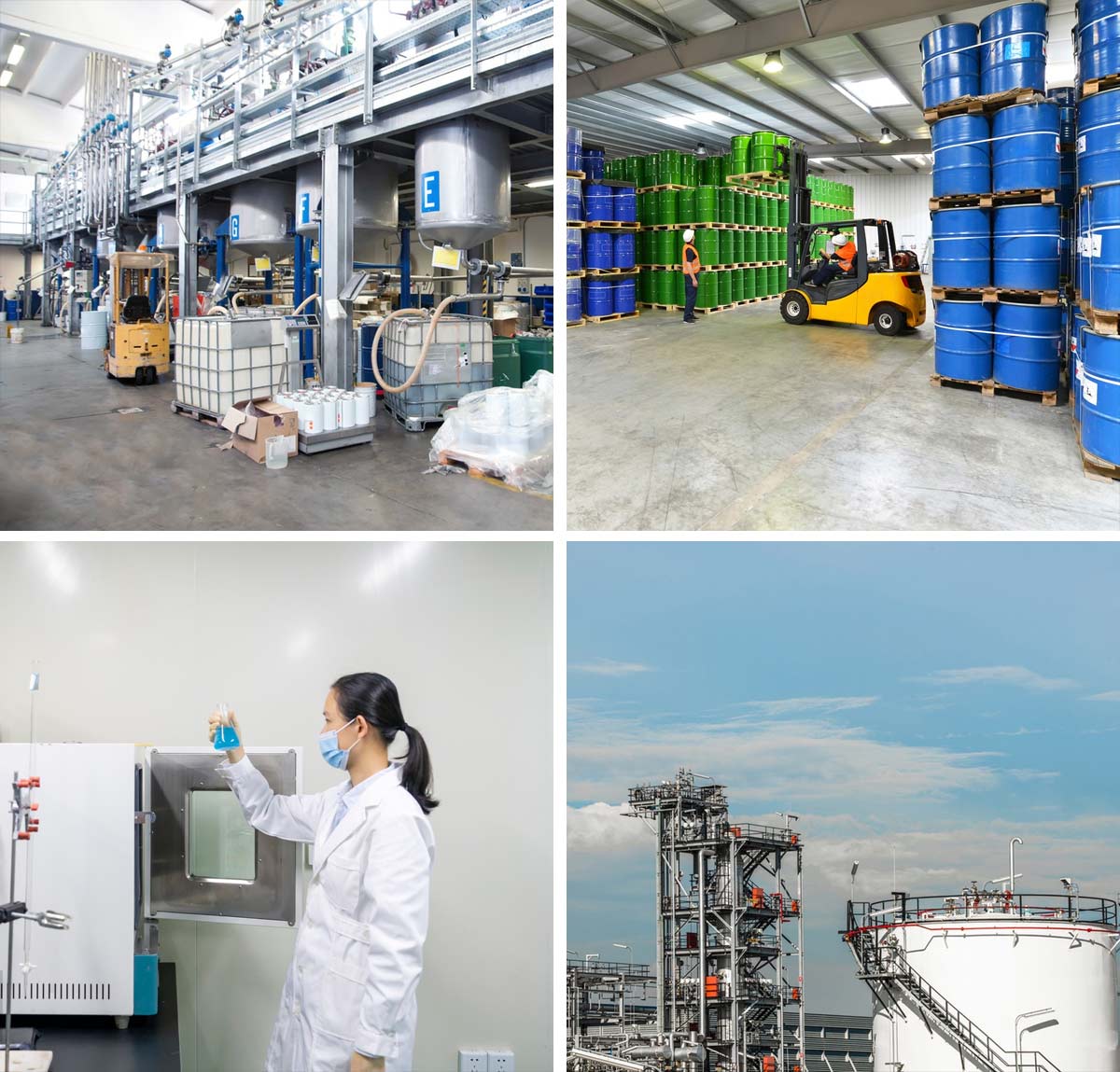
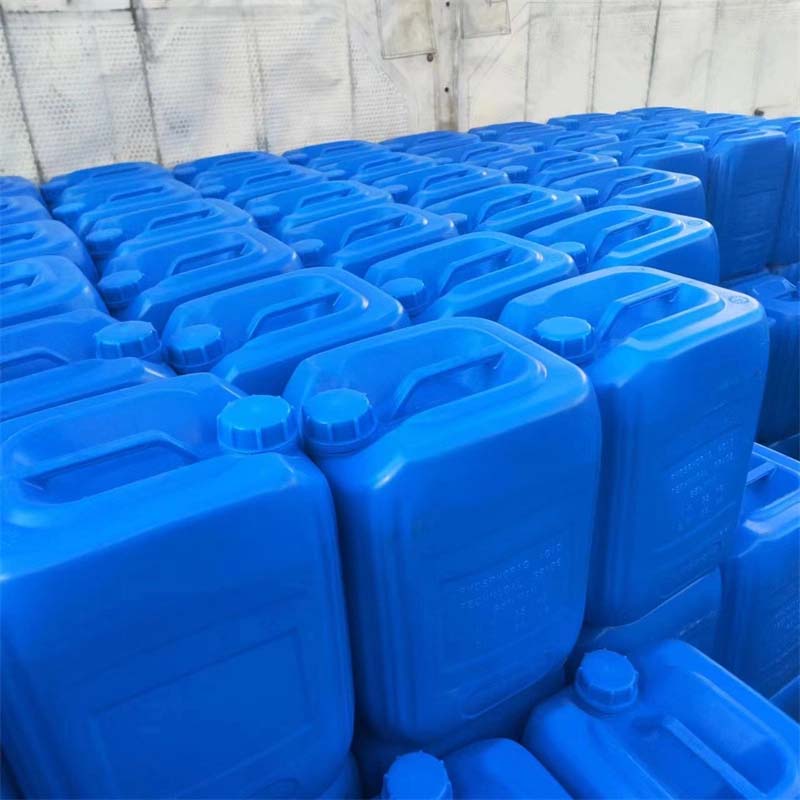
| عبوات / جراكن | 30 لتر | بولي إيثيلين عالي الكثافة مع غطاء مقاوم للعبث | توريد كميات صغيرة من الدرجة الغذائية أو الإلكترونية؛ غطاء مقاوم للعبث لضمان أمان النقل |
| براميل | 250 لتر | فولاذ مبطن بالبولي إيثيلين | تغليف بكميات كبيرة من الدرجة الصناعية؛ البطانة الداخلية تمنع التآكل والتسرب |
| حاويات صهاريج ISO | 25,000 لتر | فولاذ مقاوم للصدأ 316L | شحنة بكميات كبيرة للدرجة الغذائية والصناعية؛ مناسبة للنقل من المحطة إلى المصنع |
إرشادات التخزين والمناولة
ظروف التخزين:يُحفظ في مكان بارد وجاف وجيد التهوية، بعيدًا عن القلويات ومساحيق المعادن وعوامل الاختزال والمواد العضوية.
التحكم في درجة الحرارة:يجب تخزين محلول حمض الفوسفوريك بنسبة 85% فوق -20 درجة مئوية لمنع التجمد؛ ويجب الحفاظ على درجة حرارة تخزين الحمض النقي عند 25-40 درجة مئوية لتجنب التصلب (نقطة الانصهار 42.35 درجة مئوية).
سلامة الإغلاق:أغلق الحاويات فور الاستخدام لمنع امتصاص الرطوبة وتراكم البخار.
توافق المواد:HDPE والبولي بروبيلين (PP) مناسبان للتلامس قصير المدى؛ يُوصى باستخدام الفولاذ المقاوم للصدأ 316L أو المعدات المبطنة بـ PTFE للخدمة طويلة المدى أو عند درجات الحرارة المرتفعة.
احتياطات السلامة: ارتدِ قفازات مقاومة للأحماض، ونظارات واقية، وملابس واقية أثناء المناولة. يجب توفر غسول للعينين ودش أمان طارئ في الموقع.