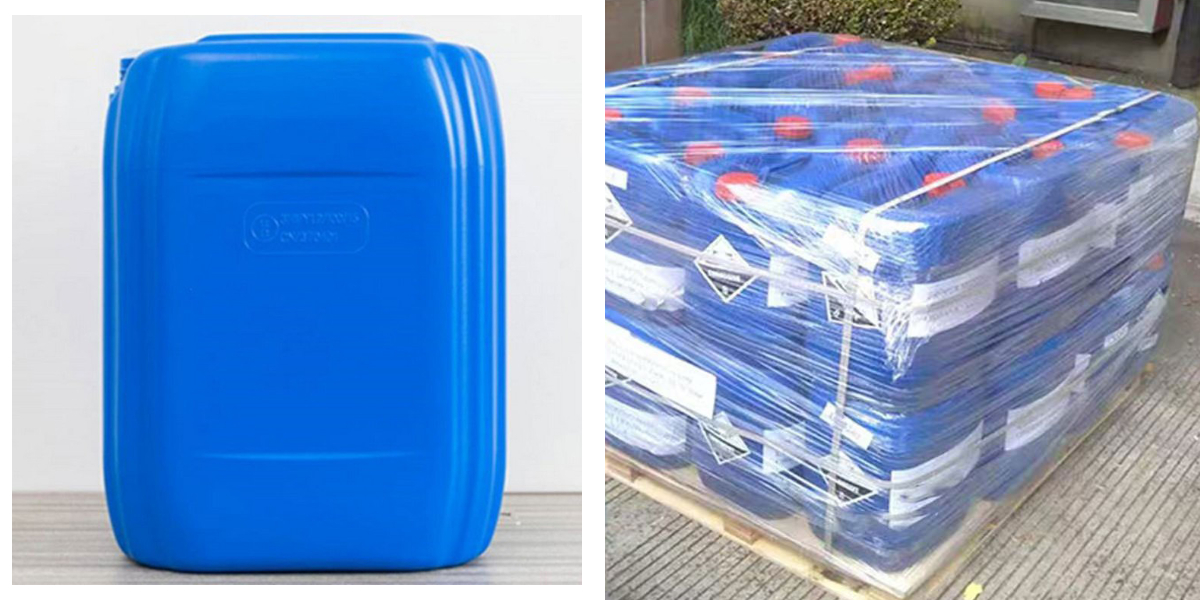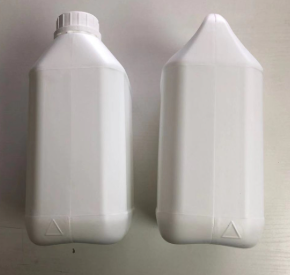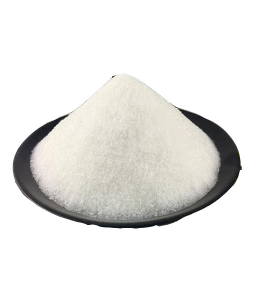
كبريتات لوريث الصوديوم CAS:1335-72-4
كفاءة تنظيف متميزة:يقلل كبريتات لوريث الصوديوم (SLES) بشكل ملحوظ من التوتر السطحي للماء، مما يوفر أداءً قويًا في إزالة الأوساخ والملوثات المختلفة.
رغوة غنية ومستقرة:يسمح هيكله الجزيئي الخاص لـ SLES بإنتاج رغوة وفيرة وطويلة الأمد، مما يجعله مثاليًا للاستخدام في تركيبات منتجات العناية الشخصية والتنظيف.
توافق مع الماء العسر:يحافظ على كفاءة تنظيف عالية في بيئات الماء العسر، مما يضمن أداءً ثابتًا مع ظروف جودة المياه المختلفة.
قدرة استحلاب واسعة النطاق:بفضل أدائه القوي في الاستحلاب، يتم دمج SLES بشكل شائع في العديد من المنتجات مثل مستحضرات التجميل والشامبو والصابون وتركيبات المنظفات.
1. نظرة عامة على المنتج
كبريتات لوريث الصوديوم، المعروف باسم SLES، هو مادة خافضة للتوتر السطحي أنيونية قوية تُعد من بين أكثر المواد الخام المنظفة استخدامًا على نطاق واسع في العالم. يُشتق من خلال إيثوكسيلات كبريتات لوريل الصوديوم (SLS)، مع إدخال أجزاء بولي أوكسي إيثيلين بين بنية كحول اللوريل والمجموعة الوظيفية للكبريتات.
مصطلح “لوريث” هو صيغة مختصرة لـ “لوريل إيثر”، الذي يصف بدقة تركيبته الكيميائية ككبريتات لوريل إيثر الصوديوم. يوجد SLES كمزيج قليل القسيمات، ويتميز عمومًا بمتوسط من 1 إلى 3 مجموعات أكسيد إيثيلين؛ بين المنتجات التجارية، تعد درجات الإيثوكسيلات ذات المولين والثلاثة مولات الأكثر شيوعًا.
يُعبر عن صيغته الجزيئية عمومًا بـ CH₃(CH₂)ₙCH₂(OCH₂CH₂)ₓOSO₃Na، حيث تتراوح n من 10 إلى 13 ويتراوح متوسط x بين 1 و3. تشمل سجلات CAS ذات الصلة 9004-82-4 للدرجات البوليمرية و68891-38-3 لأنواع إيثر الألكيل C12-14 المتخصصة.
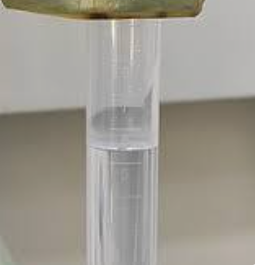
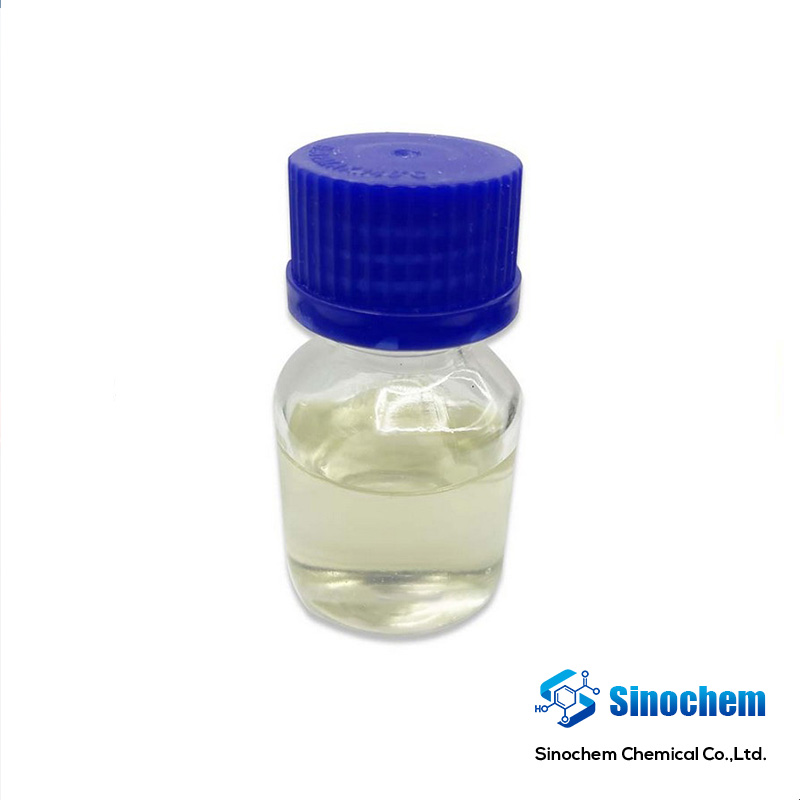
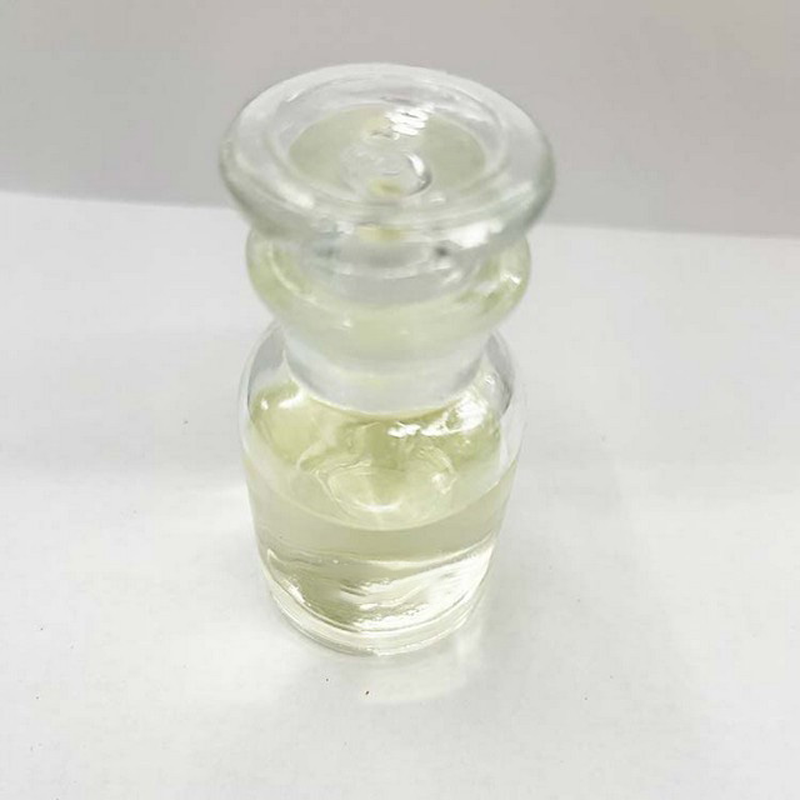
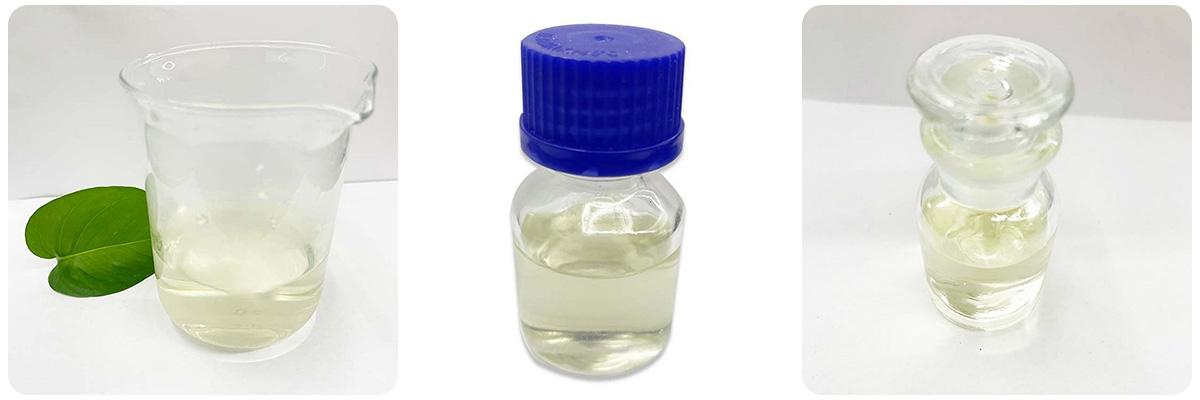
عادةً ما يظهر SLES كسائل شفاف إلى عكر قليلاً، مع درجات ألوان تتراوح من عديم اللون والأصفر الفاتح إلى الكهرماني، بناءً على تركيزه ودرجة المنتج. يُقدَّر بشدة لأدائه الرغوي الممتاز، وطبيعته الأكثر لطفاً مقارنة بـ SLS، وقدرته القوية على التكيف مع الماء العسر، وسهولة تعديل اللزوجة في أنظمة التركيبات.
بصفته مادة خافضة للتوتر السطحي أساسية في صناعة منتجات العناية الشخصية، يعمل SLES كمكون تنظيف رئيسي في عدد كبير من الشامبوهات، وجل الاستحمام، وصابون اليدين، ومنظفات الوجه. كما يعمل كمكون أساسي في العديد من منتجات التنظيف المنزلية والمنظفات الصناعية.
2. الميزات الرئيسية
أداء رغوي ممتاز: يُنتج رغوة كثيفة وطويلة الأمد مع قدرة سريعة على الرغوة الأولية، حتى عند استخدامه في الماء العسر. من بين أنواعه، تبرز درجة الإيثوكسيلات ذات المولين لرغوتها المستقرة تحت مستويات مختلفة من عسر الماء.
أقل قسوة من SLS: مقارنة بكبريتات لوريل الصوديوم العادية (SLS)، يقلل التركيب الإيثوكسيلي بشكل كبير من التهيج للبشرة والعينين، مما يجعله مثاليًا لمنتجات العناية الشخصية المصممة للاستخدام اليومي.
أداء قوي لضبط اللزوجة: يمكن تكثيفه بسهولة باستخدام إضافات شائعة بما في ذلك كلوريد الصوديوم، وكوكاميدوبروبيل بيتين، وبيتينات أخرى، بالإضافة إلى ألكانولاميدات، مما يساعد المصنعين على تحقيق القوام والاتساق المستهدفين بكفاءة.
مقاومة قوية للماء العسر: يحتفظ بأداء التنظيف والرغوة الكامل في بيئات الماء العسر واللين، متجنبًا مشكلة رغوة الصابون النموذجية لمنتجات الصابون التقليدية. توافق واسع: يمتزج جيدًا مع المواد الخافضة للتوتر السطحي الأنيونية وغير الأيونية والأمفوتيرية، بالإضافة إلى الإضافات القلوية، مما يدعم تطوير تركيبات متنوعة ومتعددة الوظائف. صديق للبيئة: يتميز بقابلية تحلل بيولوجي جيدة، متوافقًا مع المتطلبات البيئية ذات الصلة لمواد خافضة للتوتر السطحي الخام.
مواصفات تركيز متنوعة: يتم توفيره بمستويات محتوى نشط مختلفة، شائعة بنسبة 25–28% و60% و70%، لتتناسب مع تصاميم التركيبات المختلفة وظروف الإنتاج. م
حتوى 1,4-ديوكسان مضبوط: تدعم تقنية الإنتاج الحديثة درجات منخفضة الديوكسان، مع تحديد محتوى 1,4-ديوكسان بأقل من 10 جزء في المليون أو حتى أقل من 5 جزء في المليون، مما يقلل بشكل فعال من مخاطر السلامة المتعلقة بهذا المنتج الثانوي.
3. المواصفات الفنية مع الشروحات
| معلمة | القيمة/المواصفة النموذجية | الوصف والأهمية |
| أرقام CAS | 9004-82-4 (بوليمر) | معرفات كيميائية عالمية. الرقم 68891-38-3 هو الأكثر شيوعًا لـ SLES التجاري. |
| 68891-38-3 (إثيرات ألكيل C12-14) | ||
| اسم INCI | كبريتات لوريث الصوديوم | تسمية المكونات التجميلية الدولية. |
| الصيغة الجزيئية | C₁₈H₃₇NaO₇S (متوسط n=3) | يمثل البنية الإيثوكسيلية بأطوال سلسلة ألكيل متغيرة. |
| CH₃(CH₂)ₙCH₂(OCH₂CH₂)ₓOSO₃Na | ||
| الوزن الجزيئي | ~420.54 جم/مول (متوسط n=3) | يختلف حسب محتوى أكسيد الإيثيلين. |
| المظهر | سائل شفاف إلى ضبابي قليلاً (منخفض النشاط) | مؤشر الجودة البصرية يختلف حسب التركيز والدرجة. |
| سائل أصفر إلى كهرماني غامق | ||
| معجون ناعم متجانس (عالي النشاط) | ||
| محتوى المادة الفعالة | 25-28% (درجات منخفضة النشاط) | المواصفات الأساسية. التركيزات الأعلى توفر تكاليف شحن أقل ولكنها تتطلب معالجة مختلفة. |
| 60% (متوسط النشاط) | ||
| 70% (درجات عالية النشاط) | ||
| محتوى أكسيد الإيثيلين (متوسط المولات) | 2.0 مول | يحدد خصائص اللطف والأداء؛ 2 مول يوفر رغوة ممتازة، 3 مول يوفر لطفًا محسنًا. |
| 3.0 مول | ||
| الرقم الهيدروجيني (محلول مائي 10%) | 6.0 - 8.5 | الرقم الهيدروجيني شبه المحايد مناسب لتركيبات العناية الشخصية. |
| الكثافة (عند 25 درجة مئوية) | ~1.03 - 1.04 جم/مل | أثقل قليلاً من الماء؛ يُستخدم لتحويلات الحجم إلى الوزن. |
| اللزوجة (عند 25 درجة مئوية) | يختلف حسب التركيز والدرجة | يختلف بشكل كبير حسب المحتوى النشط ودرجة الحرارة. |
| نقطة الوميض | ≥94 درجة مئوية (الدرجات منخفضة النشاط) | قد تحتوي الدرجات عالية النشاط على مذيبات (إيثانول) ولها نقاط وميض أقل. |
| ~26 درجة مئوية (بعض درجات 60%) | ||
| نقطة الصب/التجمد | ~ -2 درجة مئوية إلى 4 درجات مئوية | يشير إلى خصائص المعالجة في درجات الحرارة المنخفضة. قد يتصلب في درجات الحرارة المنخفضة؛ التسخين اللطيف والتحريك يعيدان التجانس. |
| محتوى كلوريد الصوديوم (NaCl) | ≤ 0.2% | الملح المتبقي من التصنيع؛ المستويات الأعلى تؤثر على استجابة اللزوجة. |
| محتوى كبريتات الصوديوم (Na₂SO₄) | ≤ 0.5% | منتج ثانوي لعملية الكبريتة؛ يتم التحكم فيه من أجل النقاء. |
| محتوى المواد غير المكبريتة | ≤ 3.0% | يقيس المواد العضوية غير المكبريتة؛ القيم المنخفضة تشير إلى نقاء أعلى. |
| محتوى 1,4-ديوكسان | <3 جزء في المليون إلى <50 جزء في المليون (حسب الدرجة) | معلمة جودة حرجة. شوائب عملية ذات حدود تنظيمية؛ الدرجات منخفضة الديوكسان تلبي المتطلبات الصارمة. |
| <5 جزء في المليون (درجات منخفضة الديوكسان) | ||
| محتوى المركبات العضوية المتطايرة | 0-14% (حسب الدرجة) | مركبات عضوية متطايرة؛ بعض الدرجات عالية النشاط تحتوي على الإيثانول كمذيب. |
| قابلية التحلل البيولوجي | قابل للتحلل البيولوجي بسهولة | يلبي معايير السلامة البيئية. |
| السمية الفموية (LD₅₀) | >5 غ/كغ (فأر) | غير سام عمليًا عن طريق الفم. |
| تهيج الجلد/العين | خفيف إلى معتدل (10% مادة فعالة) | أقل تهيجًا من SLS؛ تجنب ملامسة العين. |
4. التطبيقات
العناية الشخصية ومستحضرات التجميل
العناية المنزلية
التنظيف الصناعي والمؤسسي
التطبيقات الصناعية
بلمرة المستحلبات: تعمل كمادة خافضة للتوتر السطحي في إنتاج المواد البوليمرية.