الزئبق (Hg) رقم CAS للزئبق (Hg) # 7439-97-6
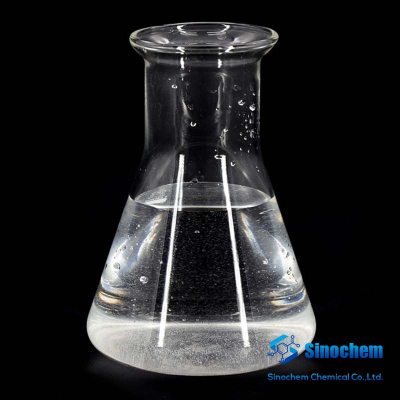
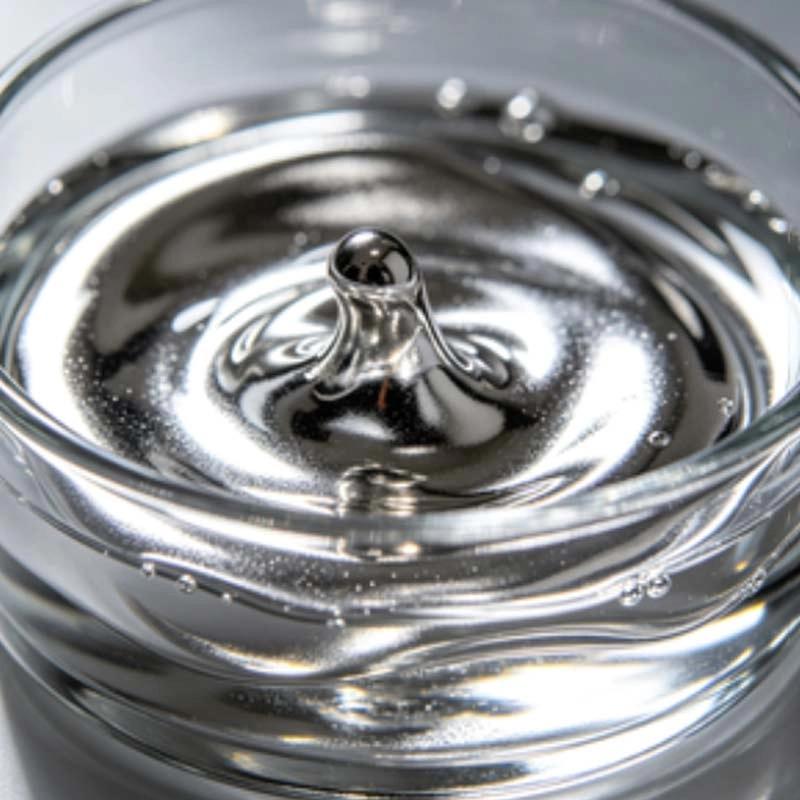
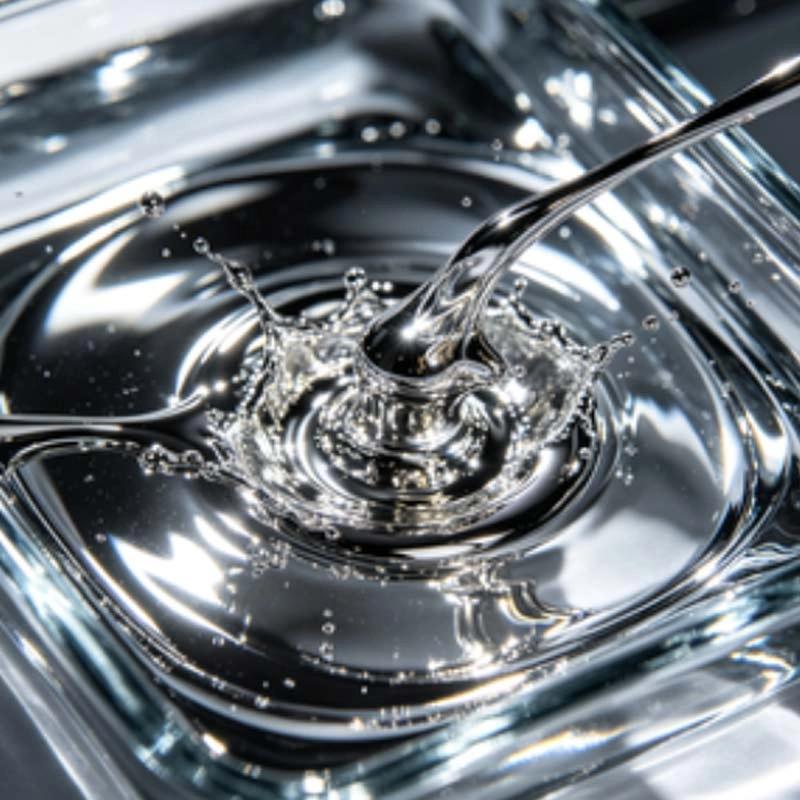
الخصائص الفيزيائية: يوجد الزئبق كمعدن سائل ذو لون فضي-أبيض في ظروف درجة الحرارة العادية، ويتميز بكثافة عالية (13.534 جم/سم³) ونقطة انصهار منخفضة (-38.83 درجة مئوية). ° ج)، وقدرات توصيل كهربائي وحراري فائقة.
السُمّية والمخاطر: هذه المادة شديدة السمية ويمكن امتصاصها عن طريق الاستنشاق أو الابتلاع أو ملامسة الجلد. التعرض المزمن قد يؤدي إلى ضعف في الأعصاب وتلف الكلى، مع احتمال حدوث تراكم بيولوجي ملحوظ في البيئة.
التفاعل الكيميائي: يشكل الزئبق مركبات مجمعة مع معظم المعادن، باستثناء الحديد والبلاتين. يتفاعل مع الكبريت لإنتاج كبريتيد الزئبق (HgS) وهو قابل للذوبان في الأحماض المؤكسدة مثل حمض النيتريك.
التطبيقات: تشمل استخداماته تركيبات حشوة الأسنان، والمقاييس الحرارية، والباروميترات، والمفاتيح الكهربائية، والإضاءة الفلورية، وصناعة تعدين الذهب (خاصة في عملية الدمج).
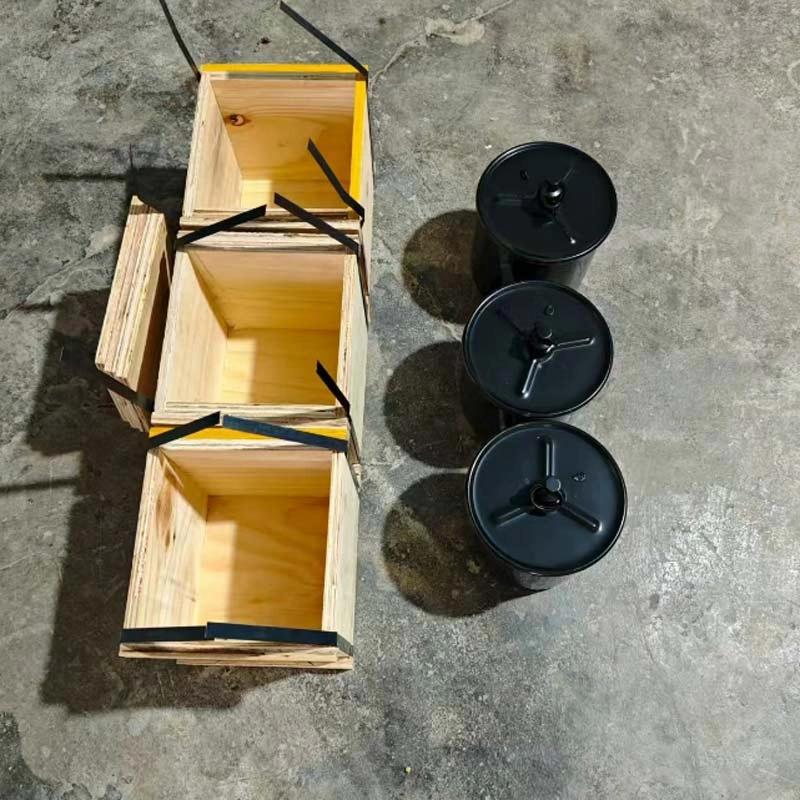
التعامل والتخزين:يجب تخزين الزئبق في حاويات مقاومة للكسر ومغلقة بإحكام (مثل القوارير الفولاذية) في بيئات جيدة التهوية. في حالة حدوث تسربات، يجب معالجة المناطق الملوثة بمسحوق الكبريت لضمان إزالة التلوث بشكل فعال.
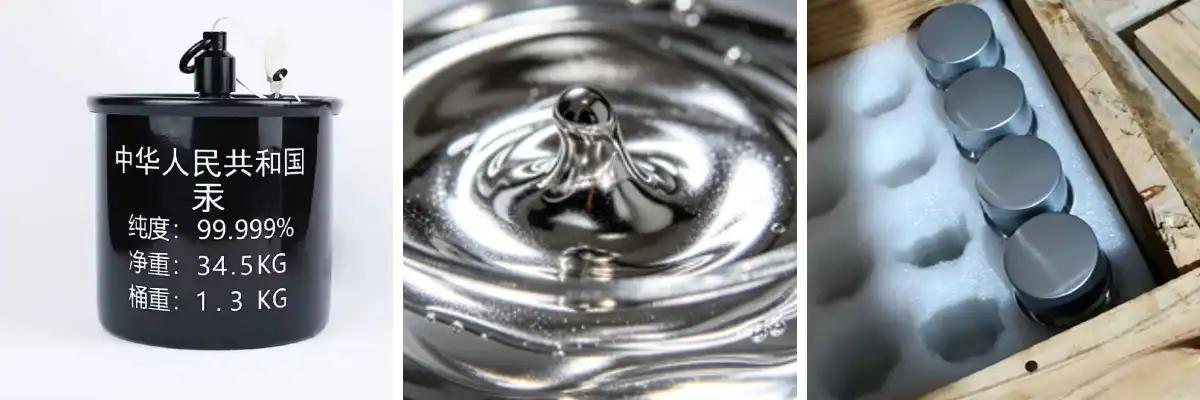
الزئبق (CAS: 7439-97-6؛ EINECS: 231-106-7)المعروف عادةً باسم الفضة السائلة، هو معدن ثقيل عنصري يتواجد في شكل سائل عند درجة الحرارة العادية. عادةً ما يتم استخراجه من خام السينابار، ويبلغ وزنه الجزيئي 200.59 جم/مول.
|
مشروع
|
تفاصيل
|
|
اسم المنتج
|
ميركوري / كويكسلفر
|
|
رقم CAS
|
7439-97-6
|
|
رقم EINECS
|
231-106-7
|
|
النوع الكيميائي
|
المعادن الثقيلة / الزئبق العنصري
|
|
الشكل المادي
|
معدن سائل فضي-أبيض لامع
|
|
الوزن الجزيئي
|
200.59 جم/مول
|
|
الكثافة
|
13.534 جم/سم³ (عند 25 درجة مئوية) ° ج
|
|
نقطة الغليان
|
356.73 ° ج (عند 101,325 باسكال)
|
|
نقطة الانصهار
|
-38.83 ° ج (عند 101,325 باسكال)
|
الخصائص الفيزيائية والكيميائية
الخصائص الفيزيائية: يتميز بقدرة توصيل كهربائي جيدة (مناسب للمفاتيح والمرحّلات) وقدرة توصيل حراري عالية، مما يتيح توزيعًا متساويًا للحرارة. يُظهر توترًا سطحيًا عاليًا، مما يؤدي إلى تكوّن قطرات كروية على معظم الأسطح. وجود ضغط بخار قابل للقياس في درجة حرارة الغرفة يتطلب تهوية كافية لتقليل مخاطر الاستنشاق.
الخصائص الكيميائية: يشكل بسهولة سبائك (أمالغامات) مع الذهب والفضة والقصدير و المعادن الأخرى، بينما لا يتفاعل مع الحديد أو البلاتين. إنه خامل كيميائياً تجاه الماء ومعظم الأحماض (باستثناء حمض النيتريك وحمض الكبريتيك المركز)، والقلويات في الظروف القياسية. بالإضافة إلى ذلك، يتفاعل مع الكبريت لتكوين كبريتيد الزئبق (HgS) وهو قابل للذوبان في الأحماض المؤكسدة.
مجالات التطبيق الرئيسية
تعدين الذهب على نطاق صغير: يُستخدم لتكوين خليط مع الذهب المستخرج من الخام، مما يسهل فصل الذهب عن الرواسب. يتم بعد ذلك تسخين الخليط لتبخير الزئبق، مما يؤدي إلى الحصول على الذهب النقي.
صناعة الكلور-القلويات: تُستخدم كقطب كاثود متحرك في عملية التحليل الكهربائي لخلايا الزئبق لإنتاج الكلور وهيدروكسيد الصوديوم (الصودا الكاوية)، على الرغم من أن هذا التطبيق يتم التخلص منه تدريجياً بسبب المخاوف البيئية.
أدوات القياس: تُدمج في موازين الحرارة، والباروميترات، والمقياسات الضغطية، مستفيدة من خصائصها الحرارية الموحدة وخصائصها السائلة للإشارة إلى درجة الحرارة أو الضغط.
المكونات الكهربائية: تُستخدم في مفاتيح الإمالة، والثرموستات، والريليهات، وذلك بفضل قابليتها العالية للتوصيل الكهربائي ومقاومتها للبلل مع مختلف مواد التوصيل.
مواد طب الأسنان: تُعتبر مكونًا أساسيًا في حشوة الأسنان، حيث تمتزج مع مساحيق الفضة والقصدير والنحاس لتشكيل مادة ترميمية متينة ومقاومة للتآكل تُستخدم في حشوات الأسنان.
تطبيقات أخرى: يُستخدم أيضًا في مصابيح بخار الزئبق، والمصابيح الفلورية، وبعض البطاريات، وكعامل محفز في تفاعلات التخليق الكيميائي المحددة.
السُمّية والمخاطر
الزئبق شديد السمية ويمكن امتصاصه عن طريق الاستنشاق أو الابتلاع أو ملامسة الجلد. التعرض المزمن قد يؤدي إلى ضعف في الأعصاب وتلف الكلى، مع احتمال كبير للتراكم البيولوجي في البيئة. ضغطه البخاري عند درجة حرارة الغرفة يزيد من مخاطر الاستنشاق، مما يتطلب اتخاذ تدابير تحكم صارمة أثناء التعامل معه.
التعبئة والتغليف والتخزين
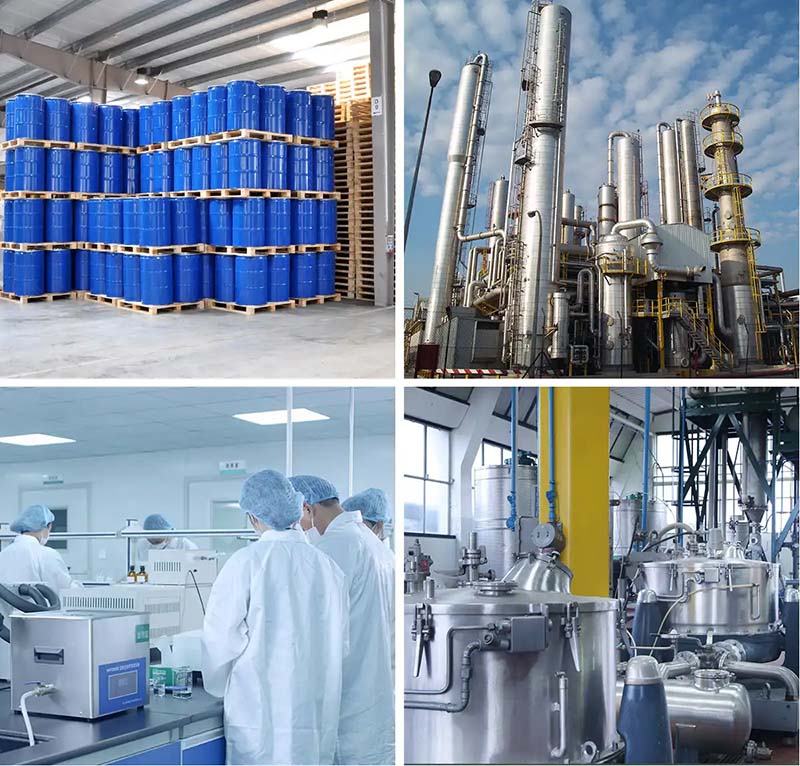
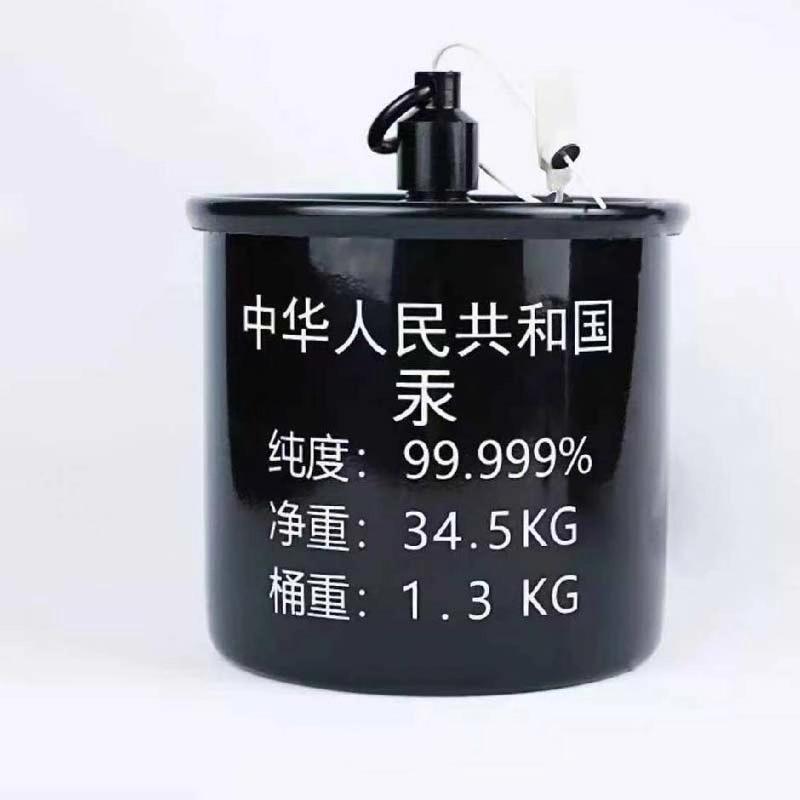
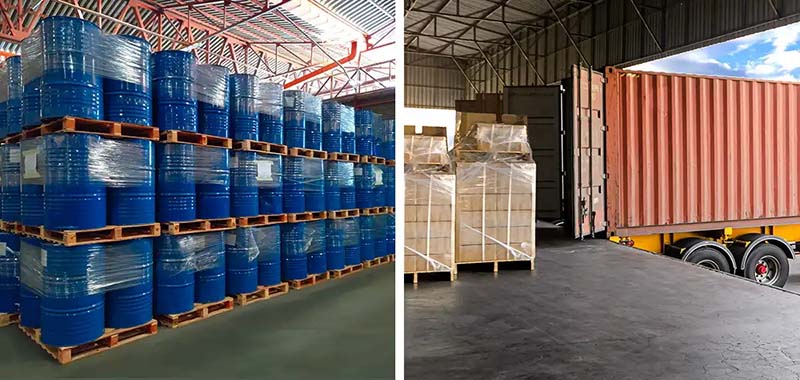
مواصفات التعبئة والتغليف: يتم توريدها عادةً في براميل فولاذية متينة أو قوارير حديدية بسعات 34.5 كجم، 76 رطلاً، أو 100 رطل. الحاويات الداخلية مصنوعة من مواد مقاومة للكسر والتآكل مثل الفولاذ المطلي أو البلاستيك المتخصص، مع الالتزام الكامل بلوائح نقل المواد الخطرة.
شروط التخزين: يجب تخزينه في مكان بارد وجيد التهوية ومغلق، بعيداً عن مصادر الحرارة وأشعة الشمس المباشرة والمواد غير المتوافقة (مثل الأحماض القوية، والأسيتيلين، والأمونيا، والهالوجينات). يجب تجهيز مناطق التخزين بأنظمة احتواء ثانوية لمنع تسرب المواد إلى البيئة وتزويدها بأدوات لمعالجة انسكابات الزئبق.
مدة الصلاحية: عند تخزين الزئبق في عبواته الأصلية غير المفتوحة والمغلقة بإحكام وفي ظروف مناسبة، فإنه يتمتع بعمر صلاحية غير محدود كمادة عنصرية لا تتحلل. يُنصح بإجراء فحوصات دورية للتحقق من وجود تسربات أو تآكل في الحاويات.